REGULATION & RESISTANCE
Adirondack Activism in the Early Years of the APA
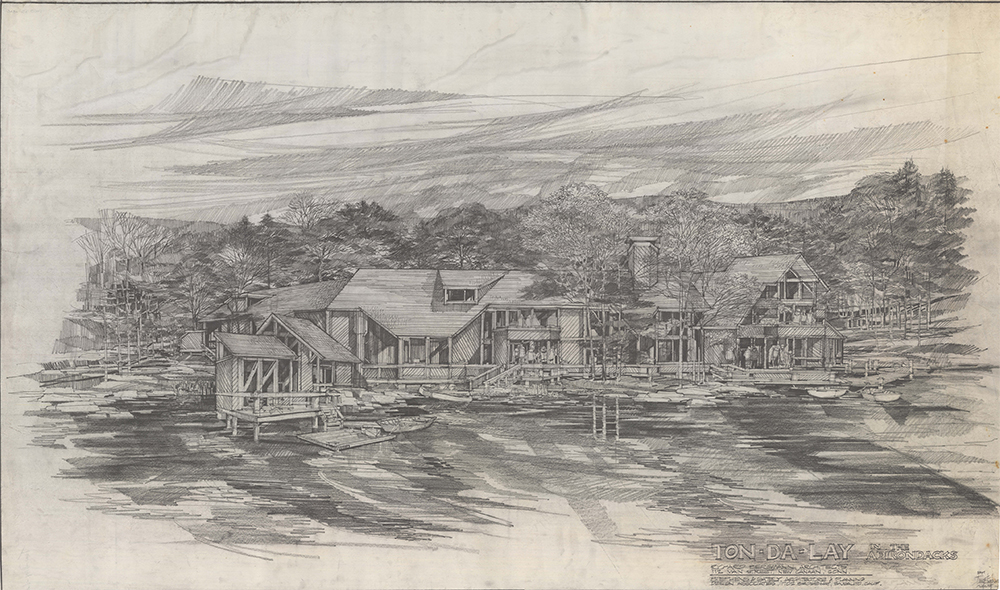
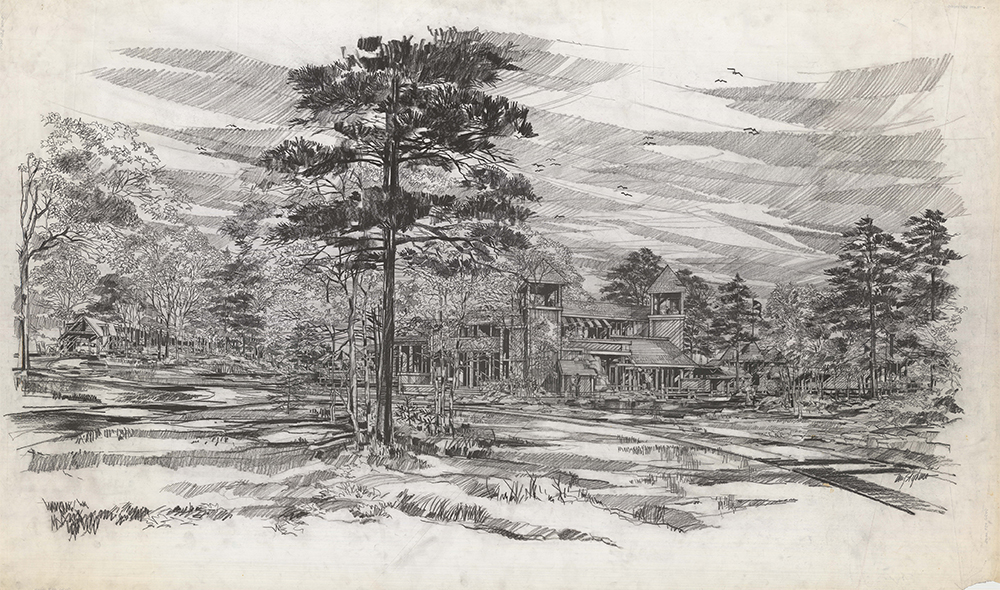
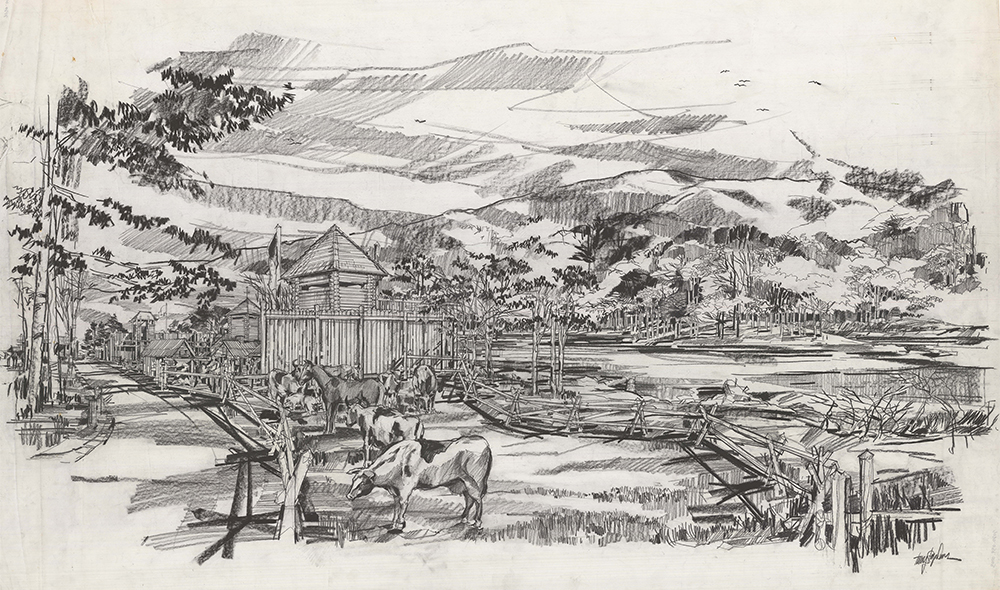


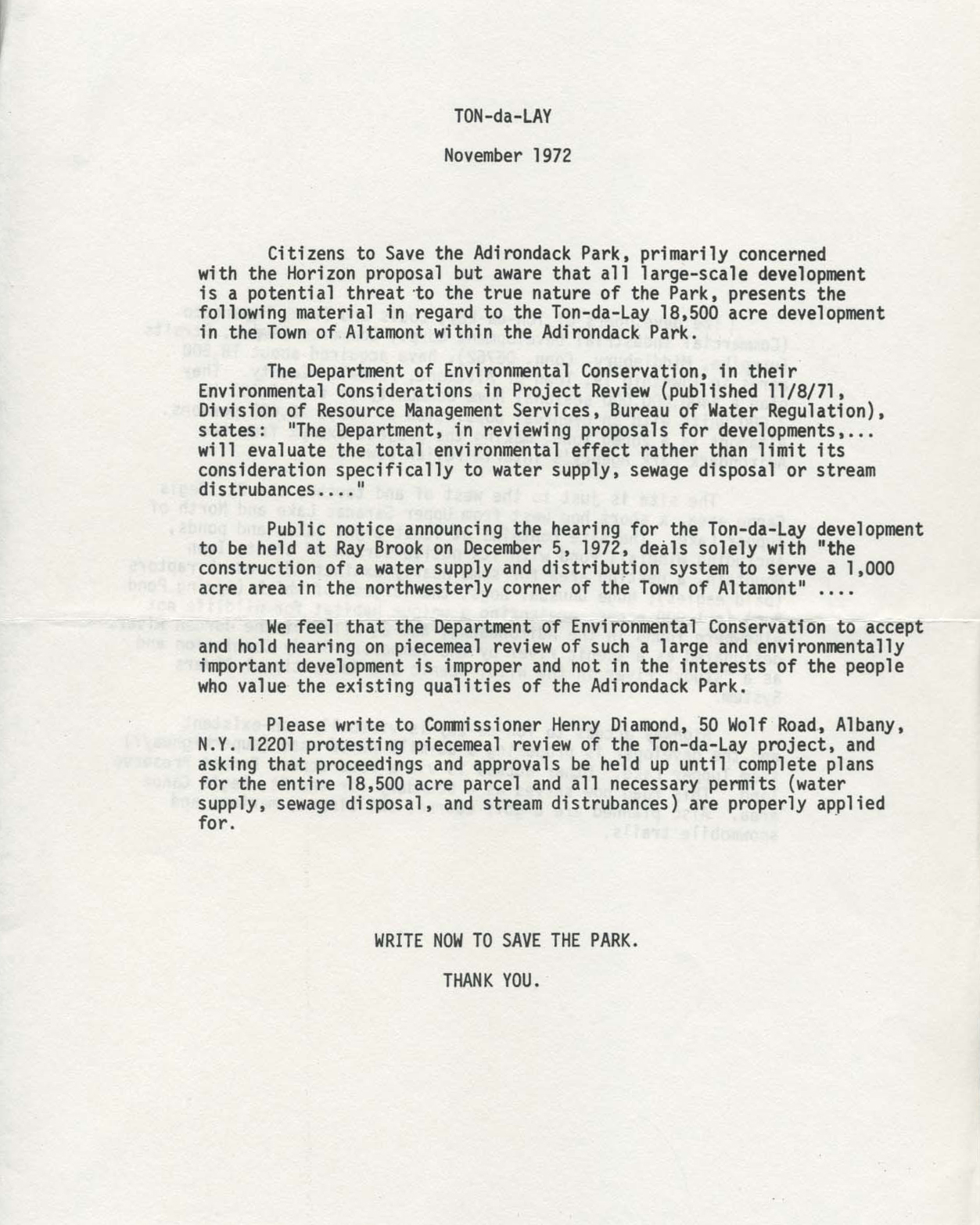
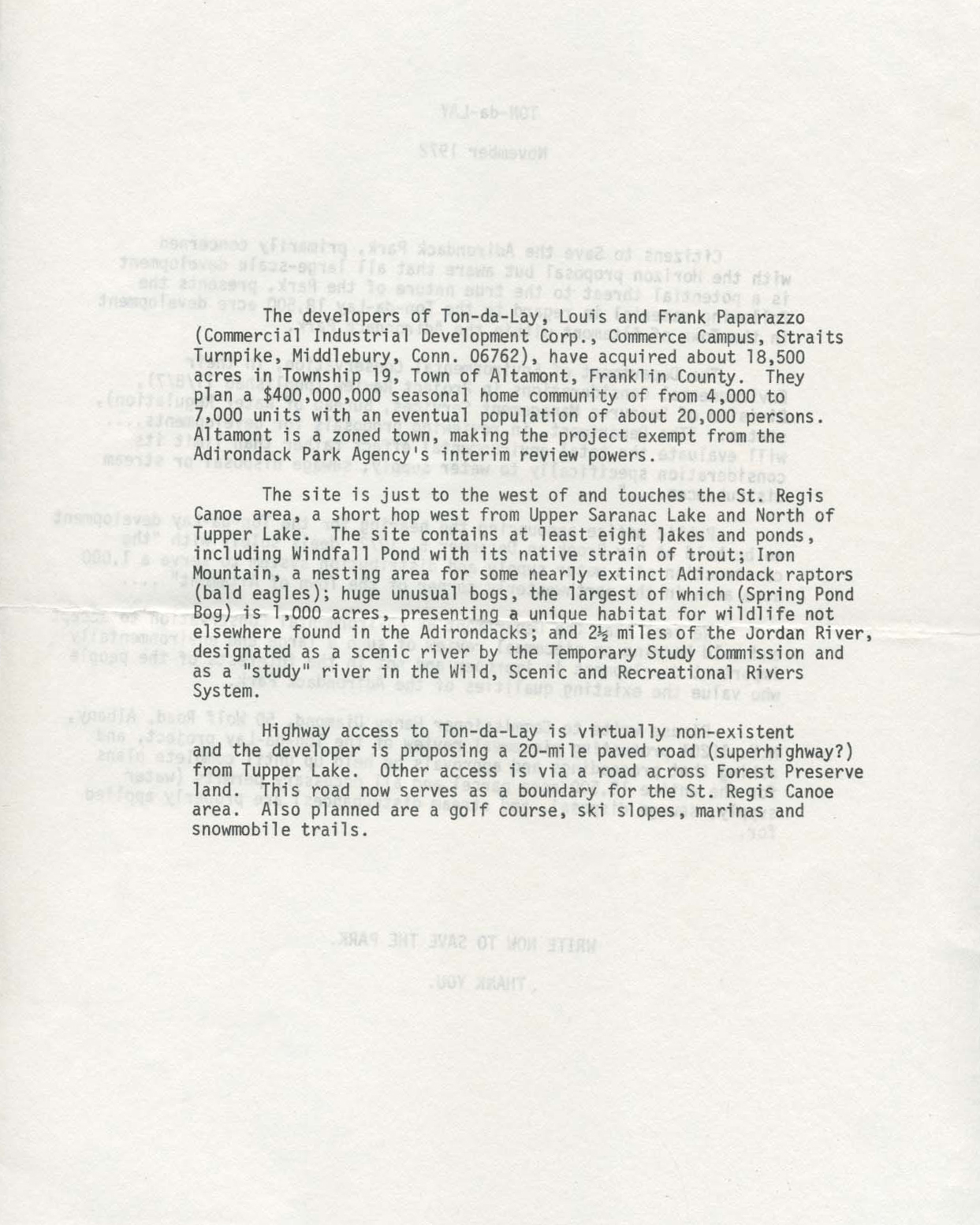
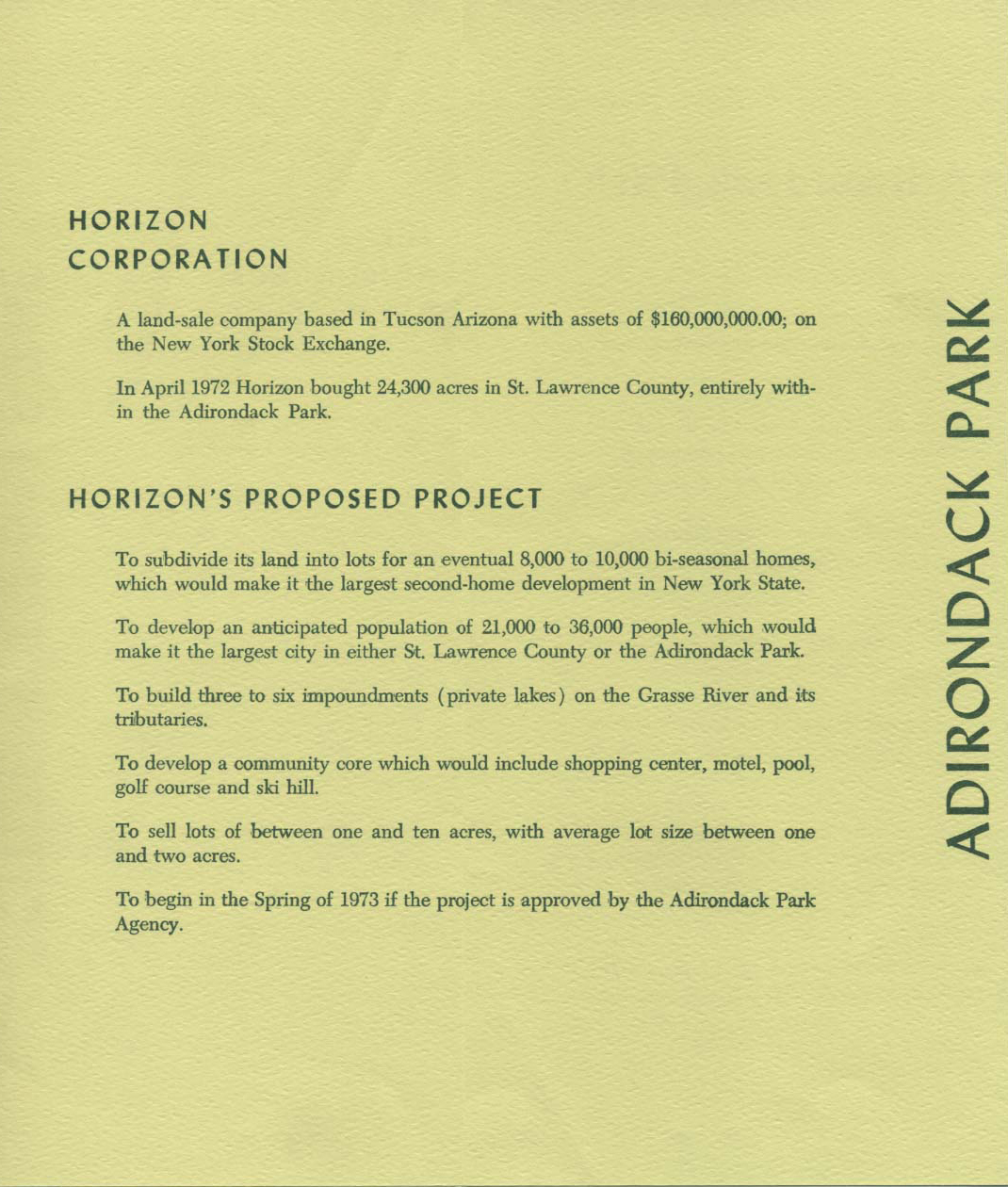
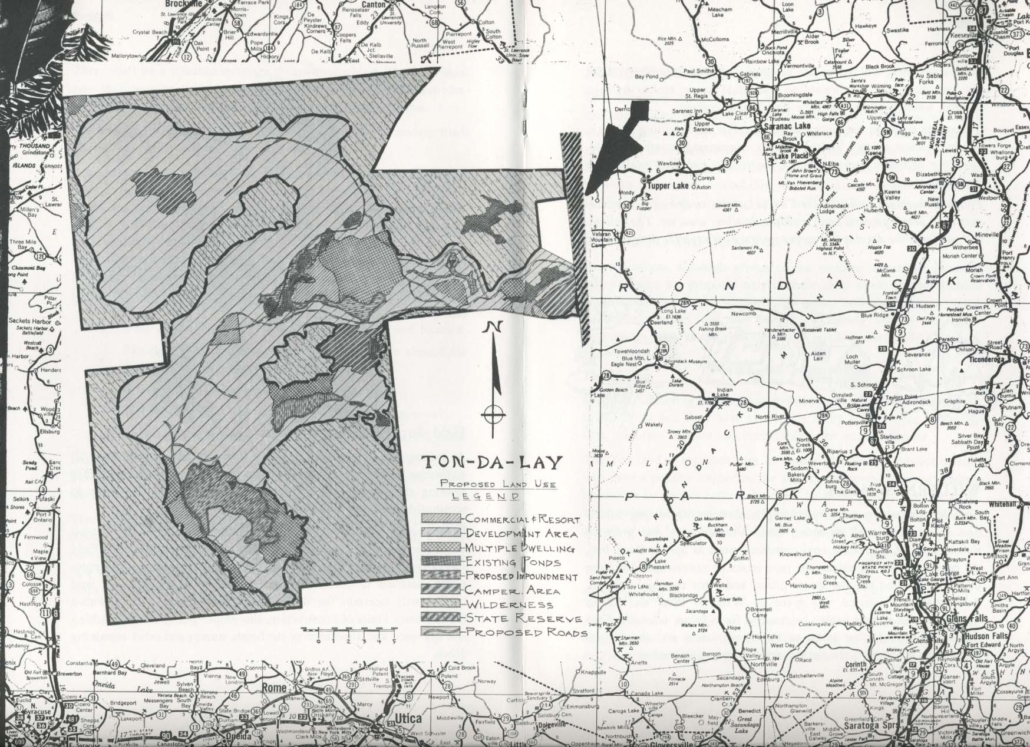
While the APA’s staff developed private land use regulations in 1972, the agency’s authority was already being tested by proposals for large second-home communities. Proposed vacation home projects like Horizon in St. Lawrence County and Ton-Da-Lay in Franklin County promised to transform remote wetlands and forests into attractive middle-class resorts complete with golf courses, ski hills, and a shopping center. Local governments were often supportive of these projects, hoping they would bring jobs and revenue to cash-strapped communities. Others worried that the developments would upset fragile ecosystems and cause long-term damage to the beauty and character of the Adirondack Park.
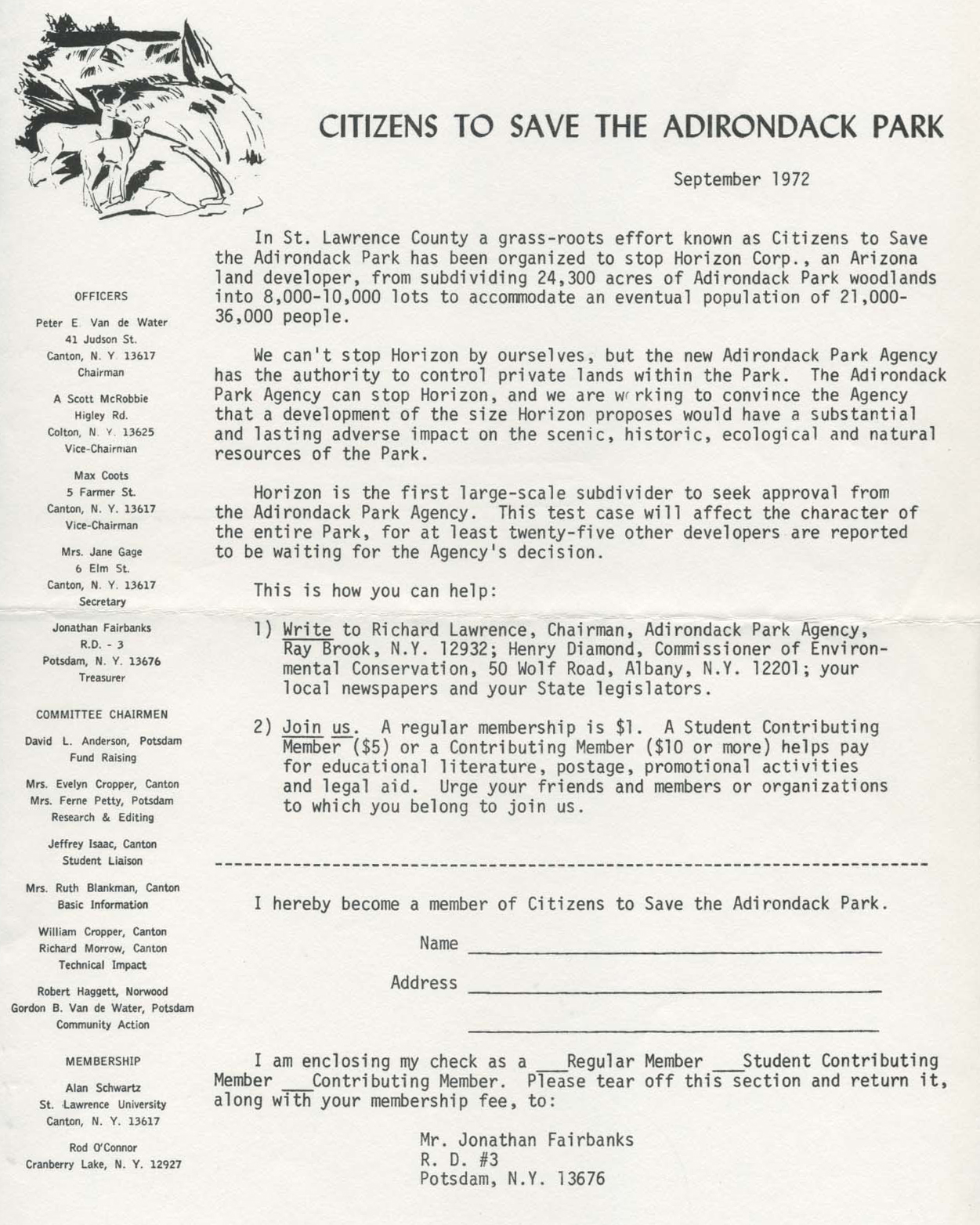
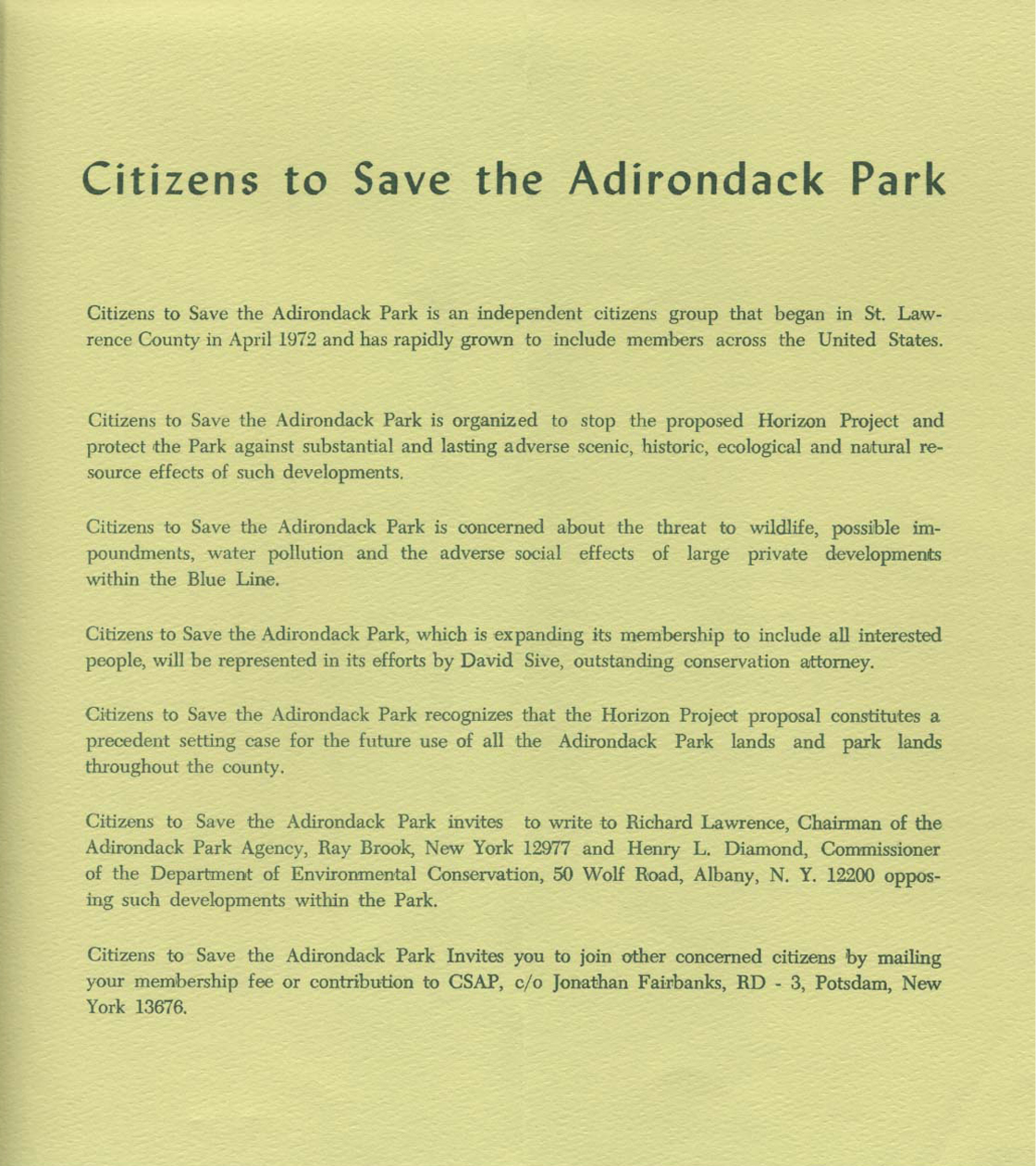
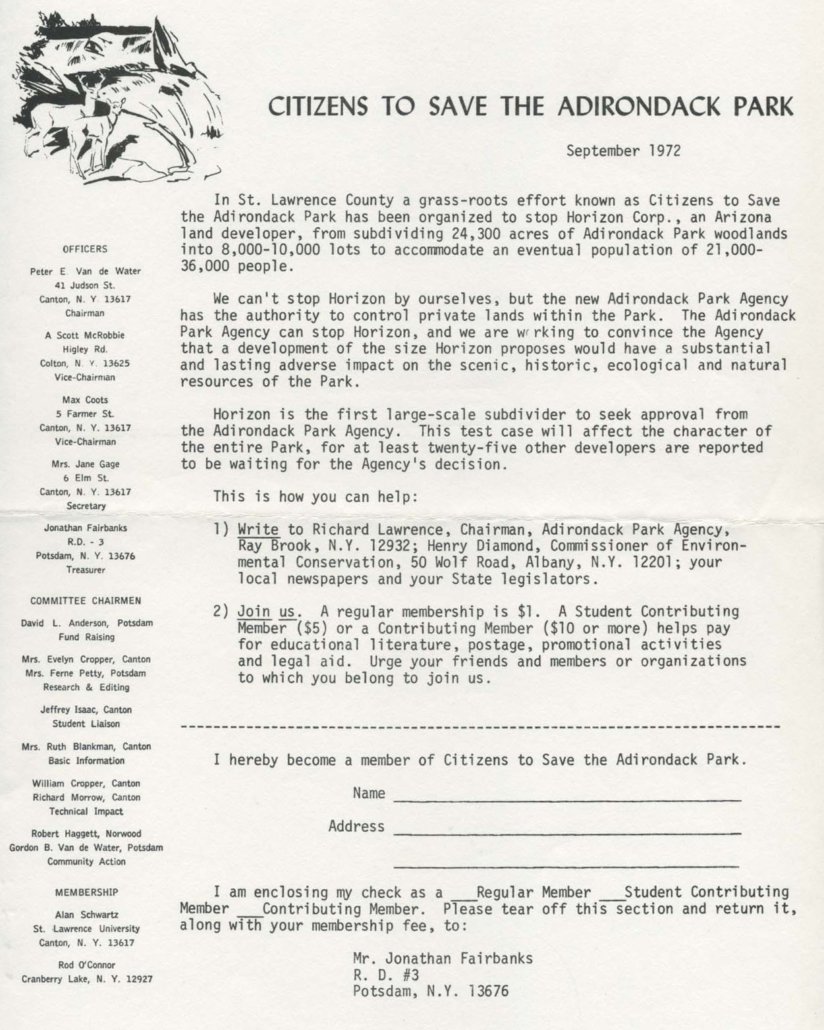
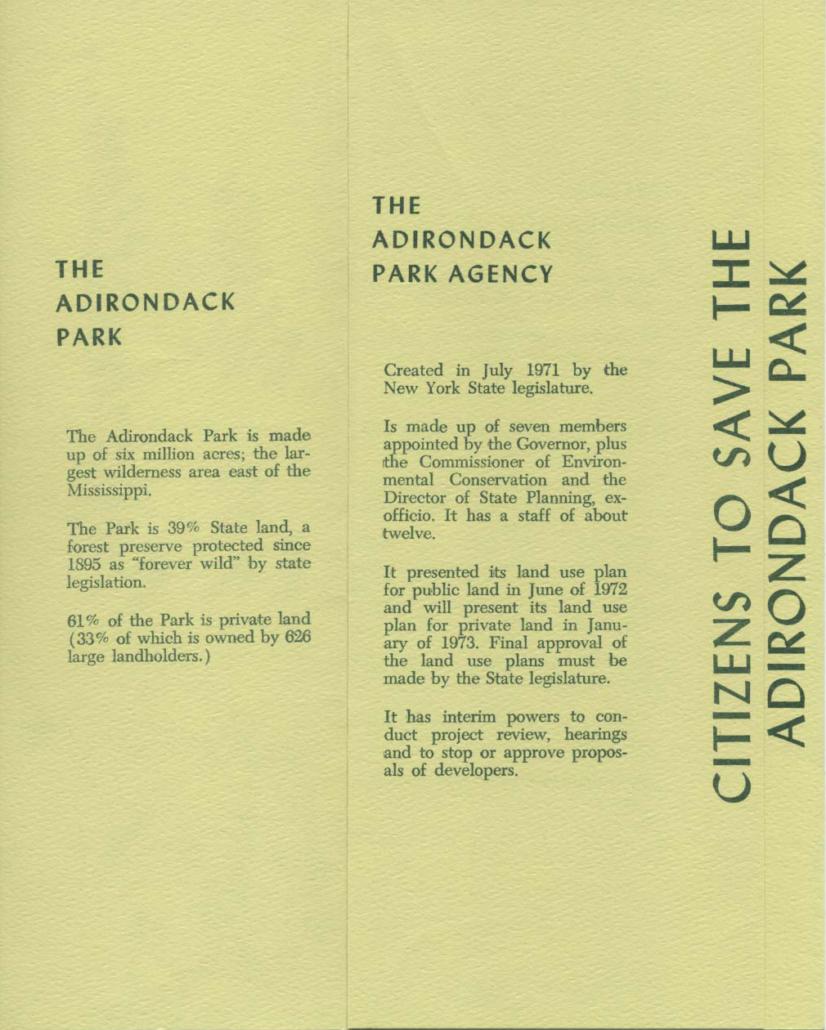
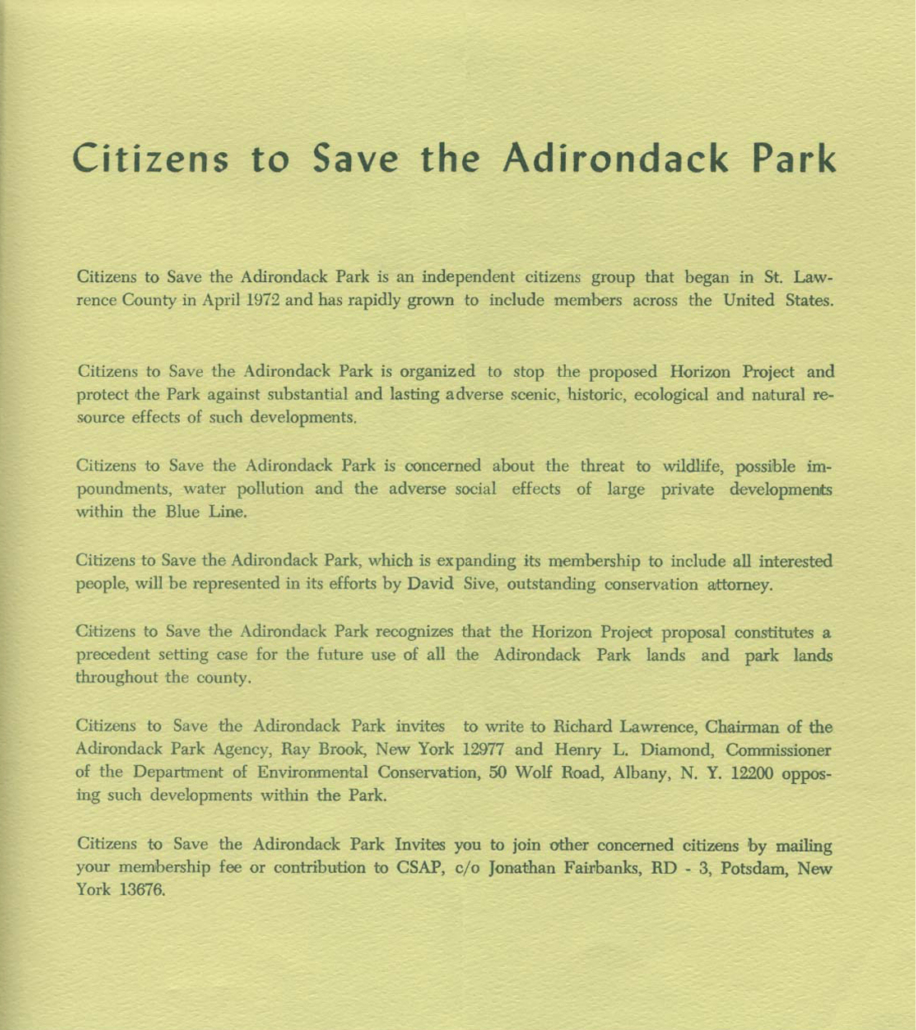
A group of concerned residents in Canton—just outside the Adirondack Park’s Blue Line—began meeting in the spring of 1972 to strategize how best to combat these developments and the environmental damage they could cause. They created Citizens to Save the Adirondack Park, which started raising awareness of the risk such developments posed to bird habitats and wetlands.
Peter Van de Water talking to Brad Edmondson in 2008 about the formation of Citizens to Save the Adirondack Park (courtesy of Brad Edmondson).
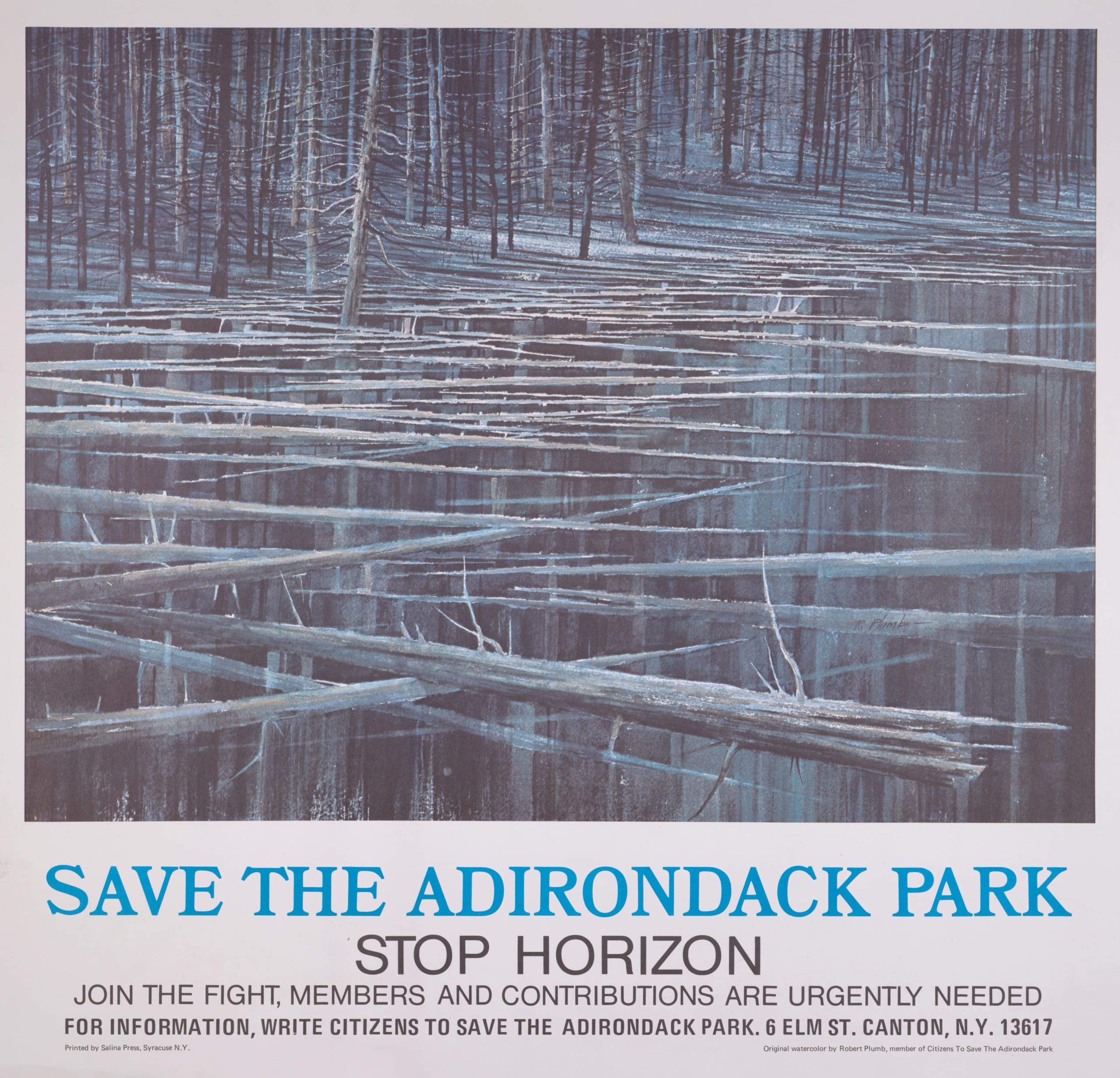
The group coordinated locally by writing letters to Blue Line newspapers, giving testimony at public hearings, and disseminating fliers opposing the projects. Their efforts soon gained national attention, including coverage in the New York Times and on the CBS Evening News. This attention brought Citizens to Save the Adirondack Park new members who lived throughout the Northeast, allowing them to hire high-profile environmental attorneys David Sive and Peter Berle.
Peter Van De Water discusses strategies to raise awareness, 2008 (courtesy of Brad Edmondson).
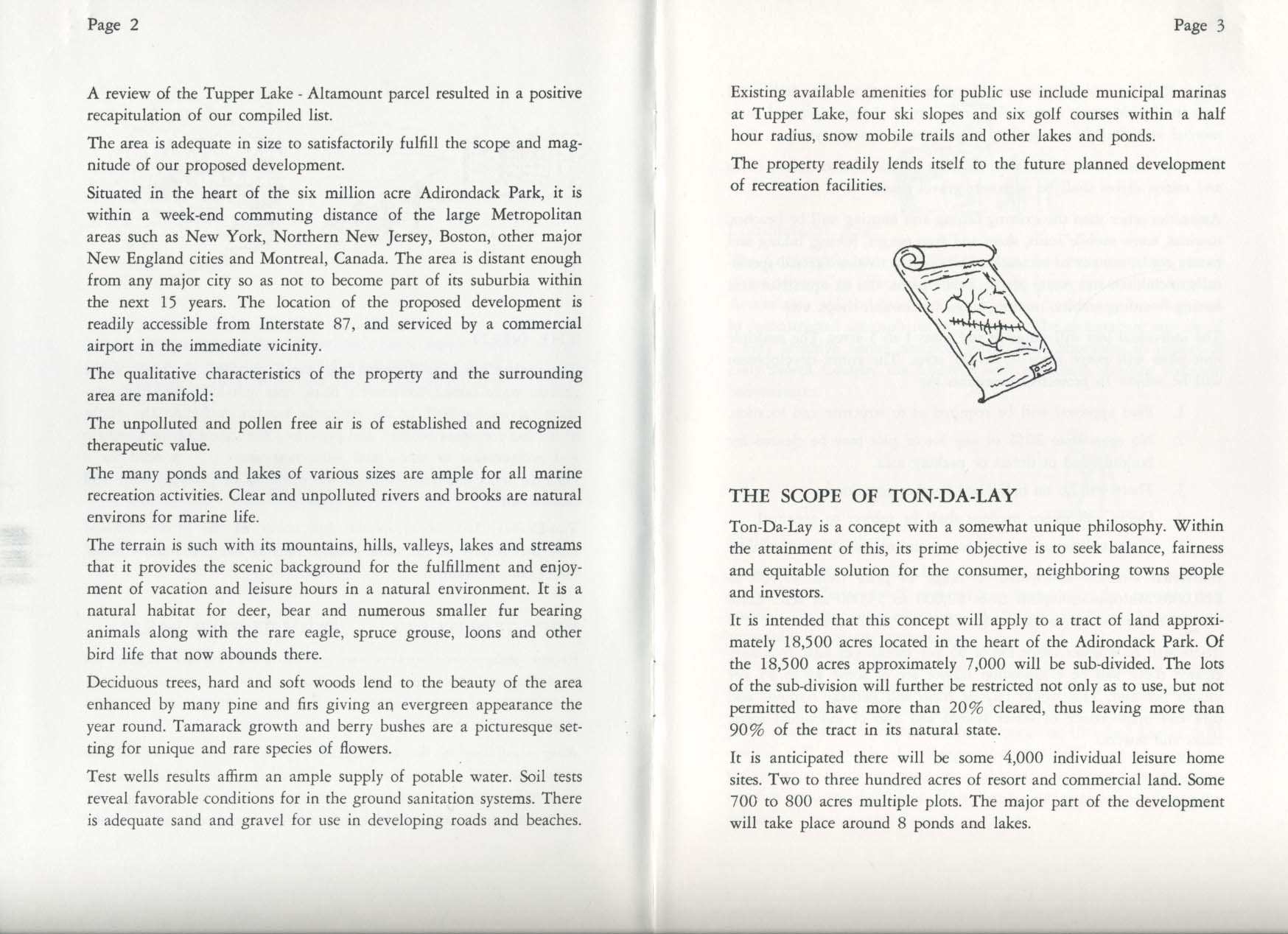
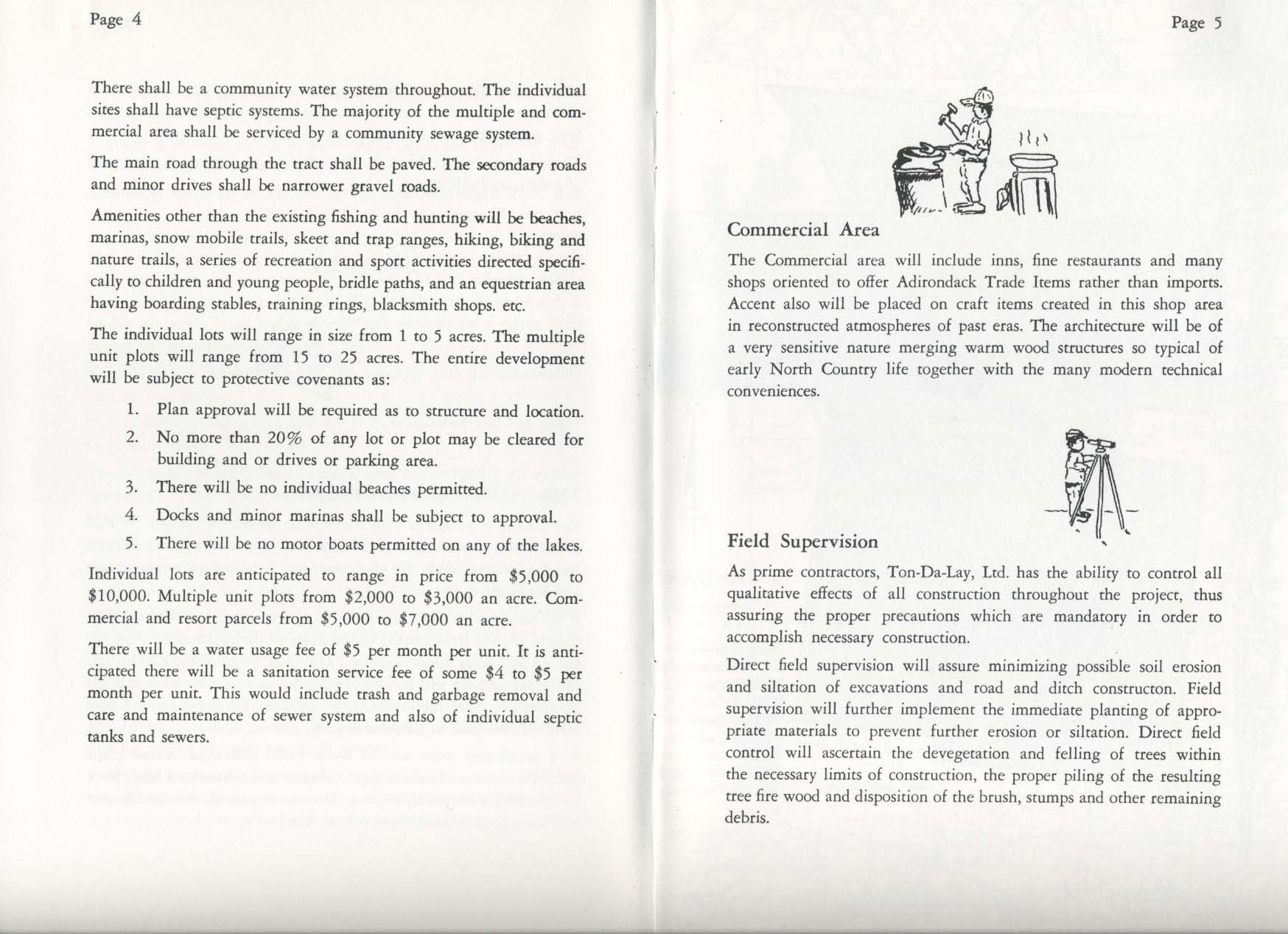
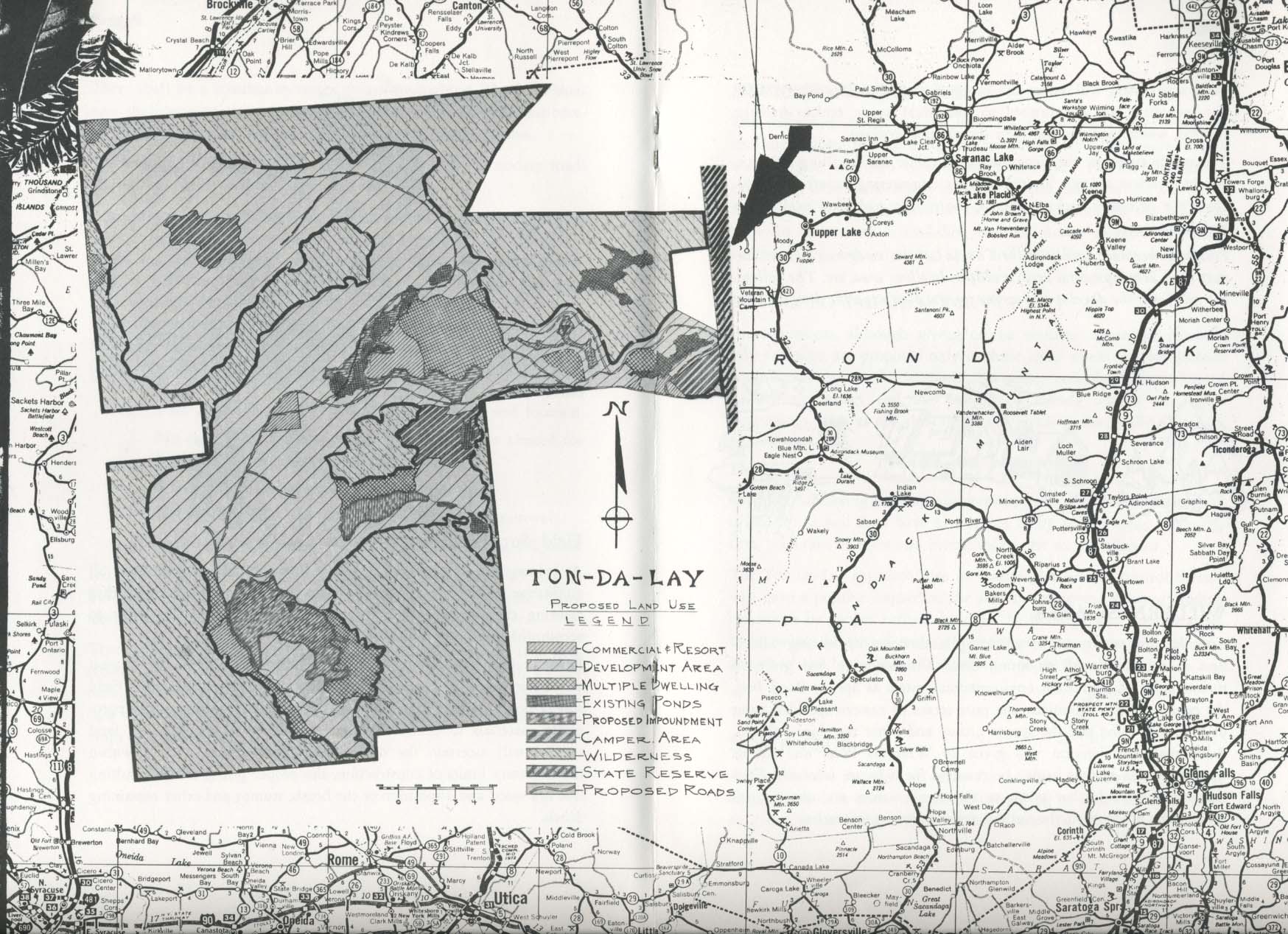
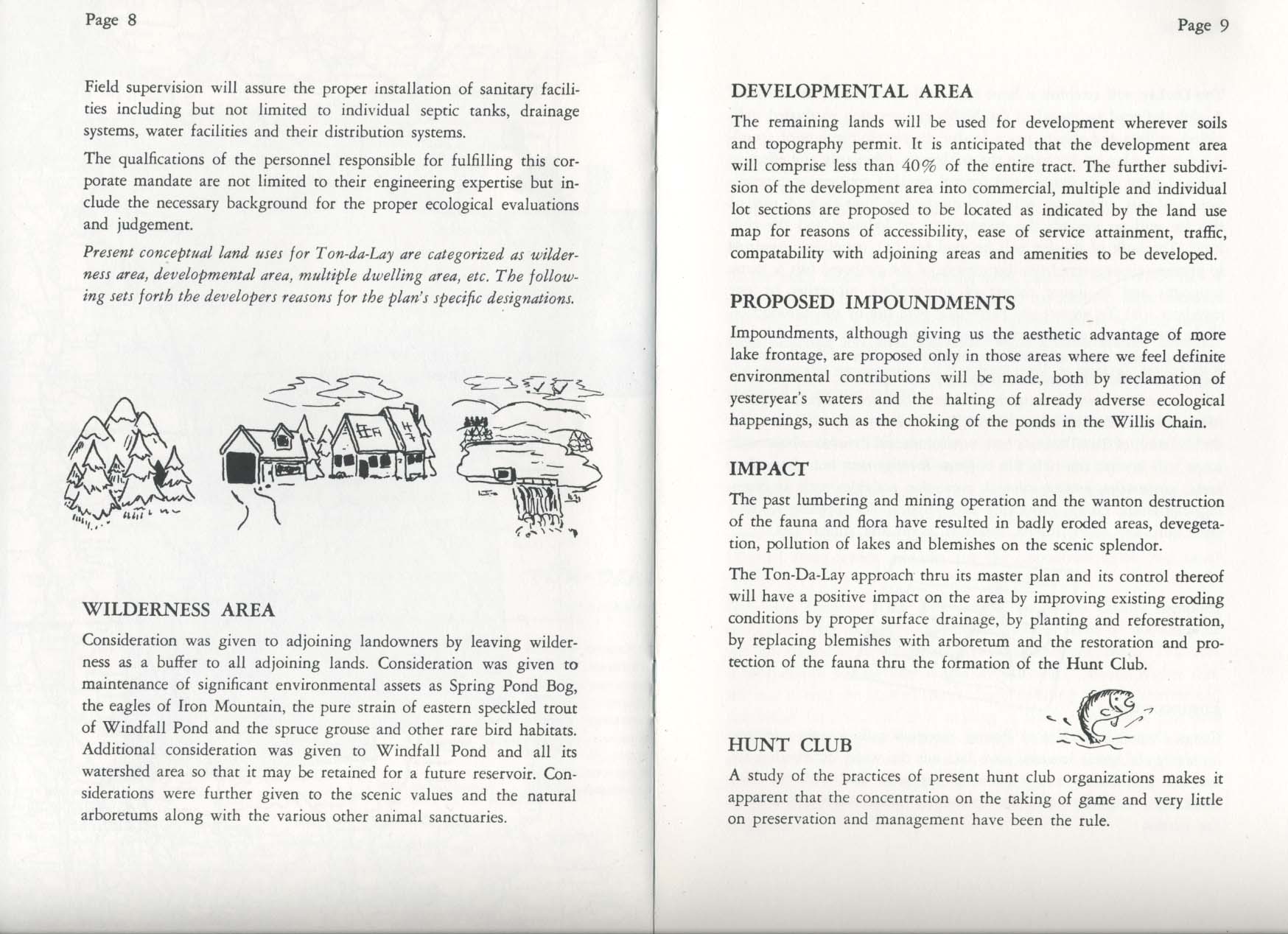
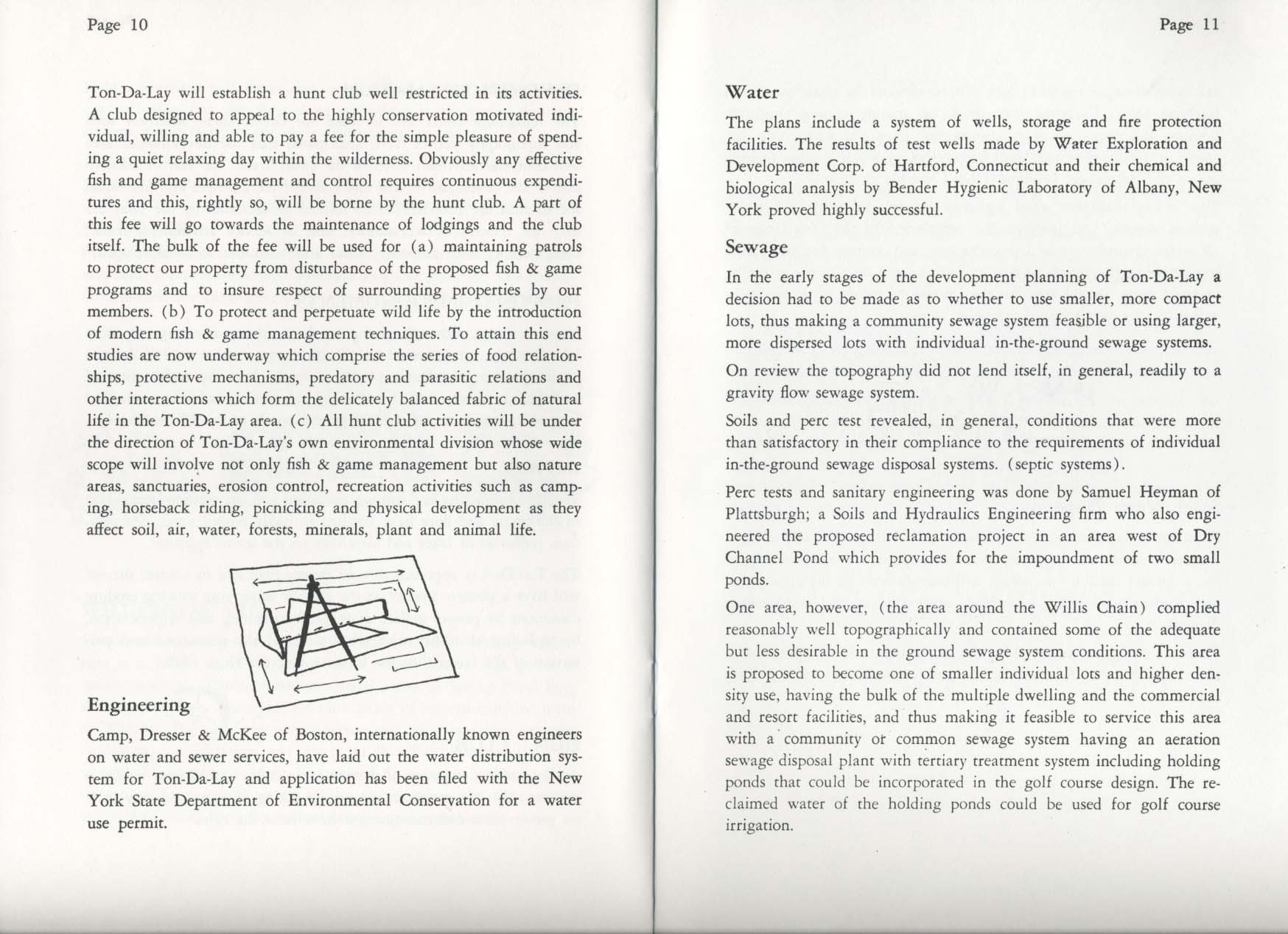
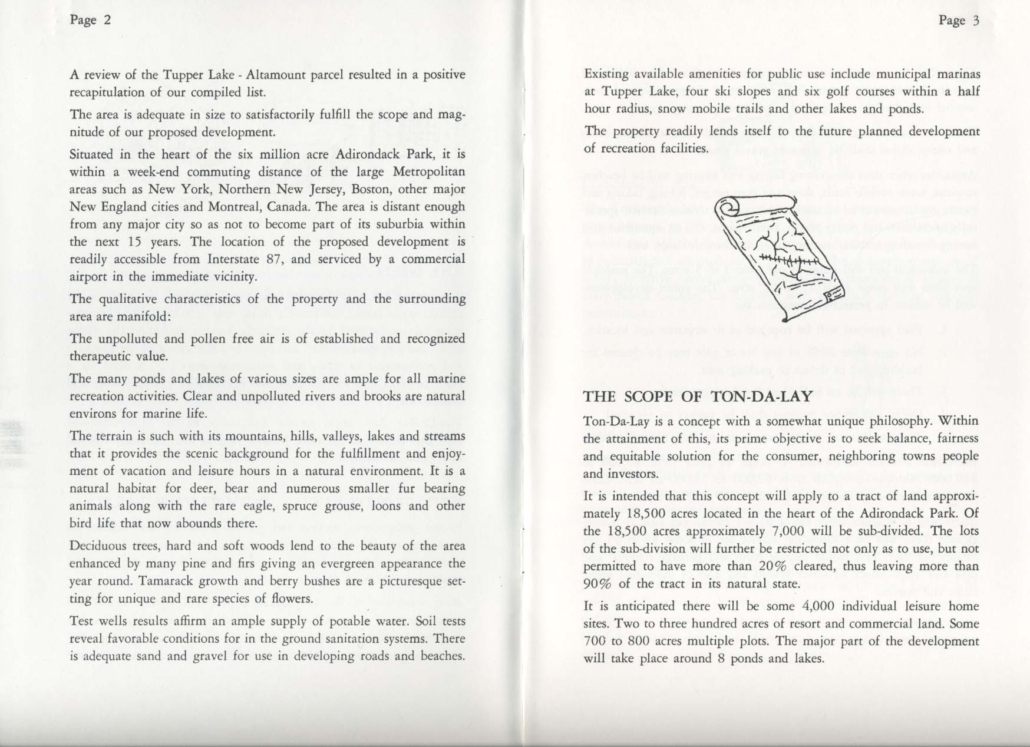
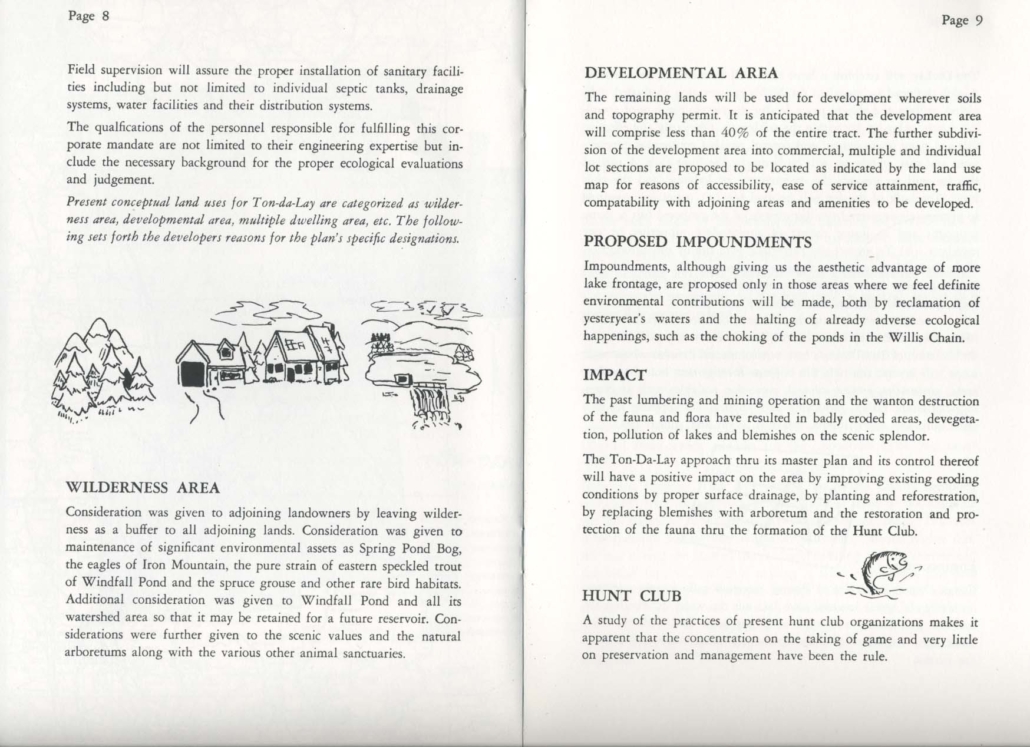
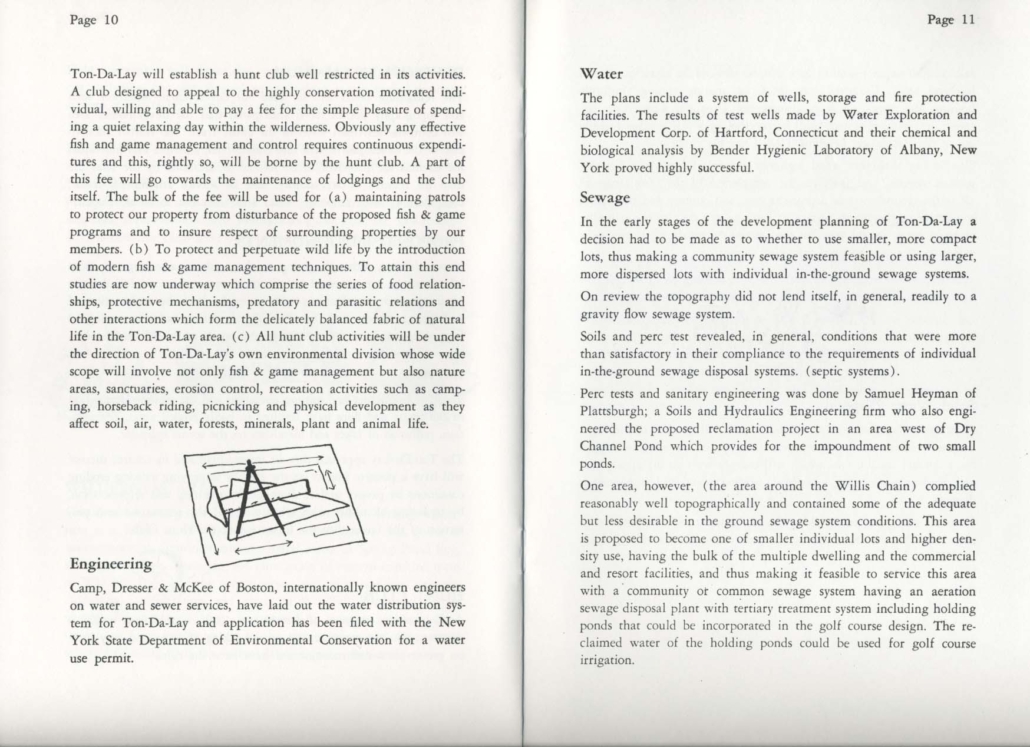
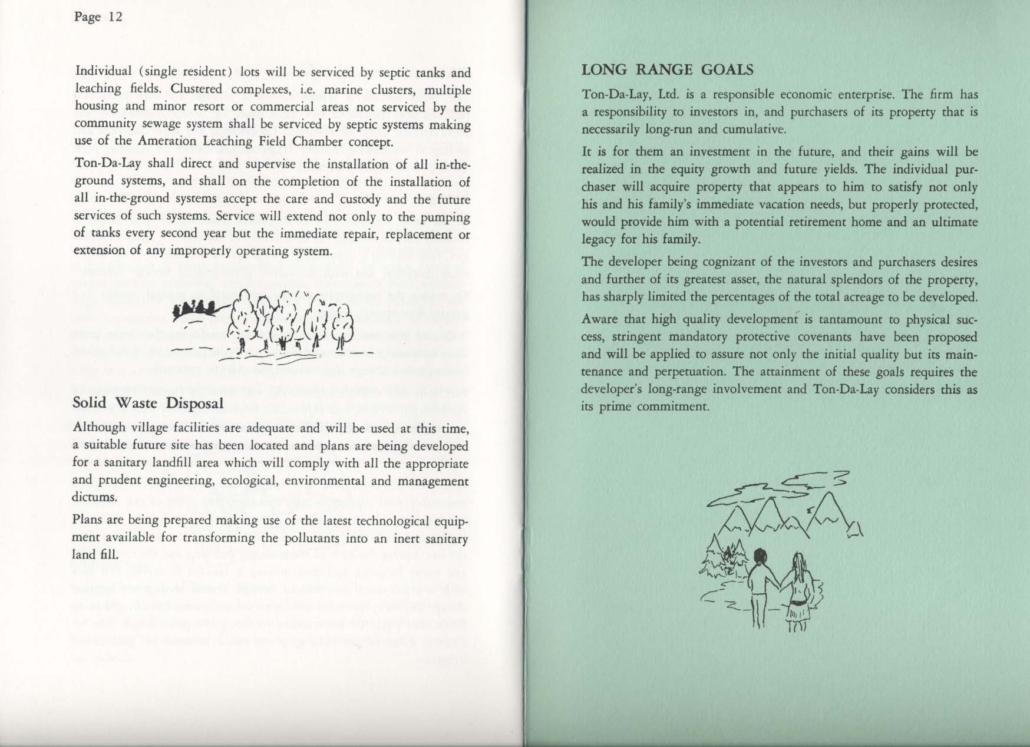
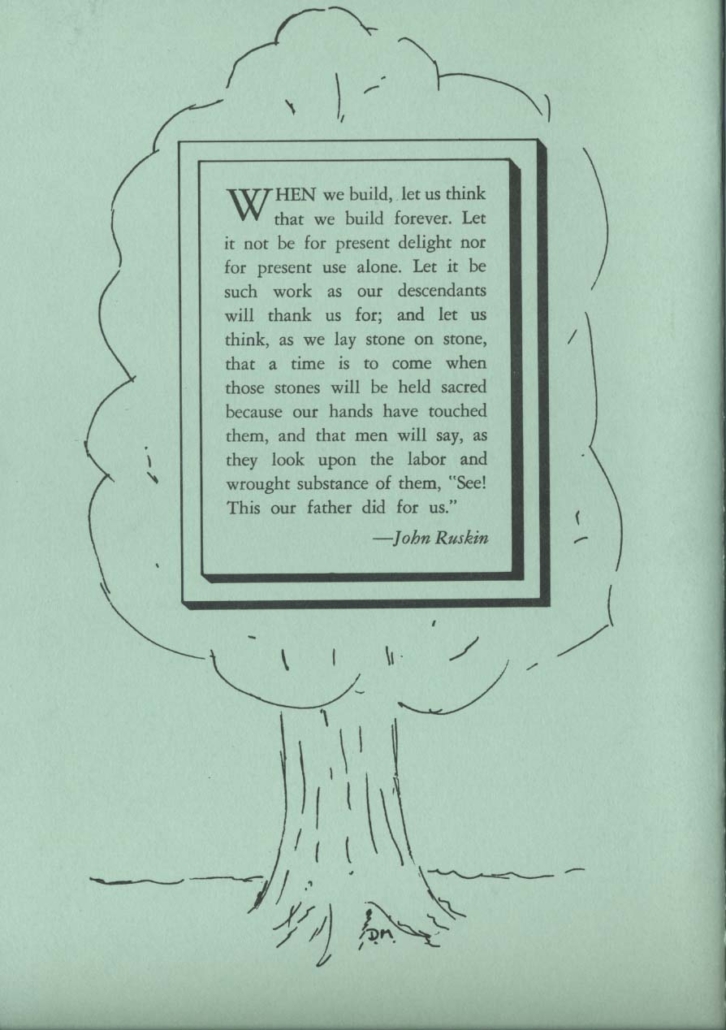
Facing growing backlash, the Ton-Da-Lay developers issued their own literature in an effort to quell public concern about the scope and long-term effects of the large development. Issued in 1972, this pamphlet contains many assurances to readers about the project’s impact on the local environment and economy.
In the face of such legal muscle—and with quiet help from APA staffers—the Horizon project soon fizzled out. Even bigger names and deeper pockets were marshaled to battle Ton-Da-Lay. Legal challenges were brought against that project by two young environmental lawyers, Robert Kafin and Ed Needleman, which delayed its progress until the APA’s private land-use plan could go into effect in May 1973. These combined efforts of state government and local organizers effectively killed the development and gave both the APA and environmental activists their first big wins. But the new approach enraged local officials and many full-time Park residents.
Robert Kafin talks to Brad Edmondson about the tactics he and Ed Needleman employed to slow the Ton-Da-Lay project in court (courtesy of Brad Edmondson).
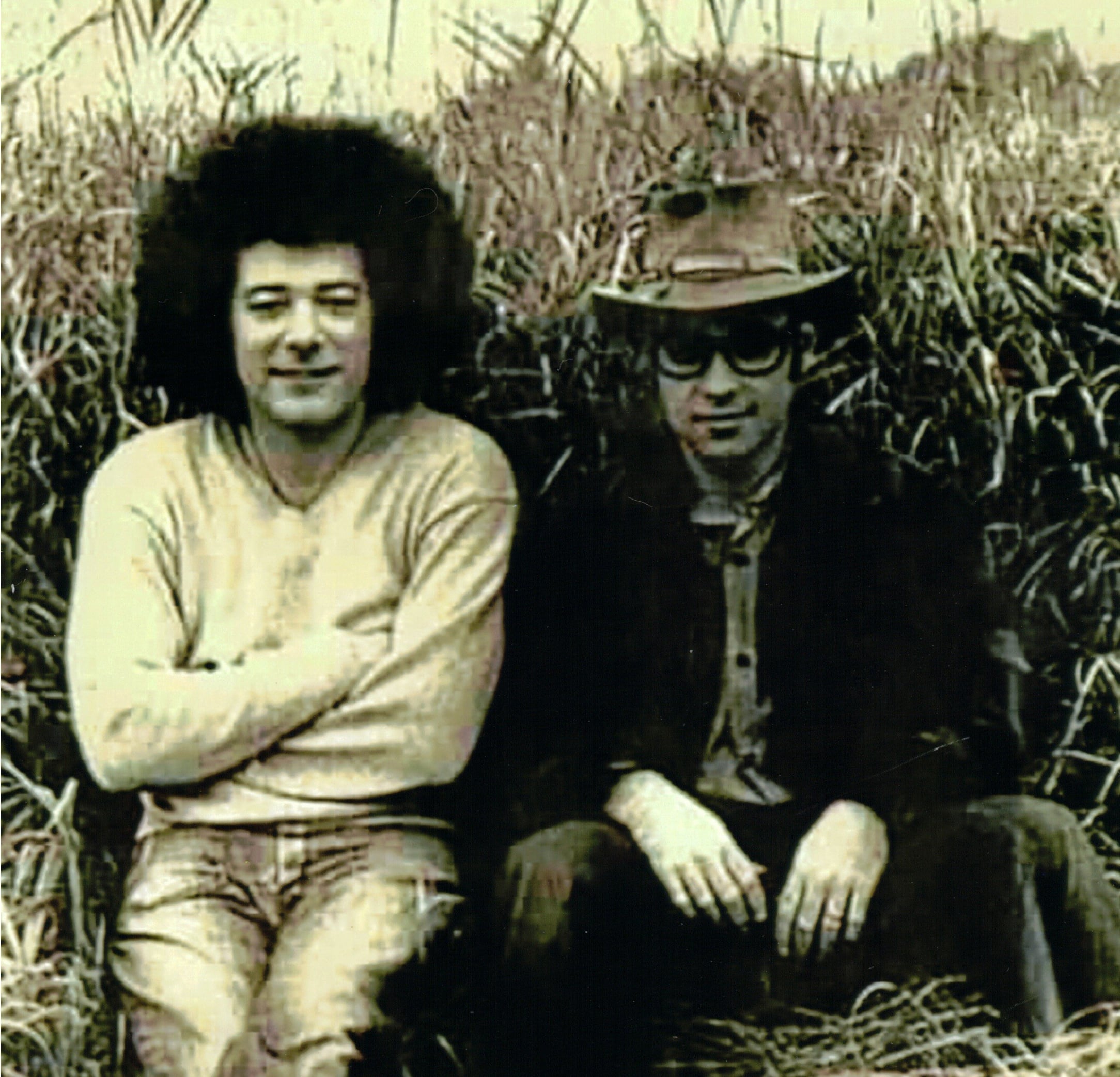
Ed Needleman, left, and Robert Kafin in the 1970s (courtesy of Brad Edmondson)
The tussles with Horizon and Ton-Da-Lay tested the APA’s power to regulate big developers. The agency faced an entirely different challenge when it invited the public to submit comments on its draft of a private land use plan in January 1973. APA chairman Richard Lawrence led public hearings throughout the Park in the first few weeks of the year, giving ordinary citizens the opportunity to air their opinions about the new regulations that would affect how Adirondackers could use their land.
More than 5,800 people turned out across the state to give APA staffers a piece of their minds, packing school gymnasiums and municipal auditoriums in Saranac Lake, Indian Lake, Elizabethtown, and other hubs within and near the Blue Line. Hearings were also held in New York City, Rochester, and Buffalo. Feedback on the plan in these cities tended to be positive overall, possibly because the people attending saw the Adirondacks as a pristine vacation spot rather than as a place to try to scratch out a livelihood. About one-third of all comments received statewide supported the plan, but the vast majority of Park residents opposed it, and many were angry.
Adirondack Park Land Use and Development Plan (Adirondack Park Agency, 1973)
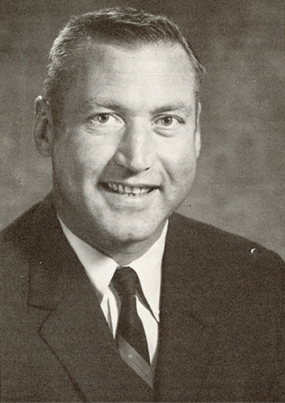
At the first public hearing in Saratoga Springs on January 8, 1973, APA staffer George Davis explained “the map,” a color-coded guide to how each property parcel in the Adirondack Park would be zoned, and what kinds of restrictions would in turn be placed upon it.
George Davis speaking at the Saratoga Springs hearing.
Object ID 1976.219.0039
Once the hearings were opened up to comment from the public, speakers quickly addressed a central issue of concern—would the restrictions on development, which were also aimed at controlling sprawl in the smaller hamlets throughout the Park, hurt efforts to boost local economies? Listen to this clip where local real estate agent Richard Sehlmeyer makes the case, to much applause, that the APA hasn’t done enough to consider the people of the Adirondacks in their plans for the Park.
Richard Sehlmeyer at the Saratoga Springs hearing.
Object ID 1976.219.0039
Click on the image to enlarge
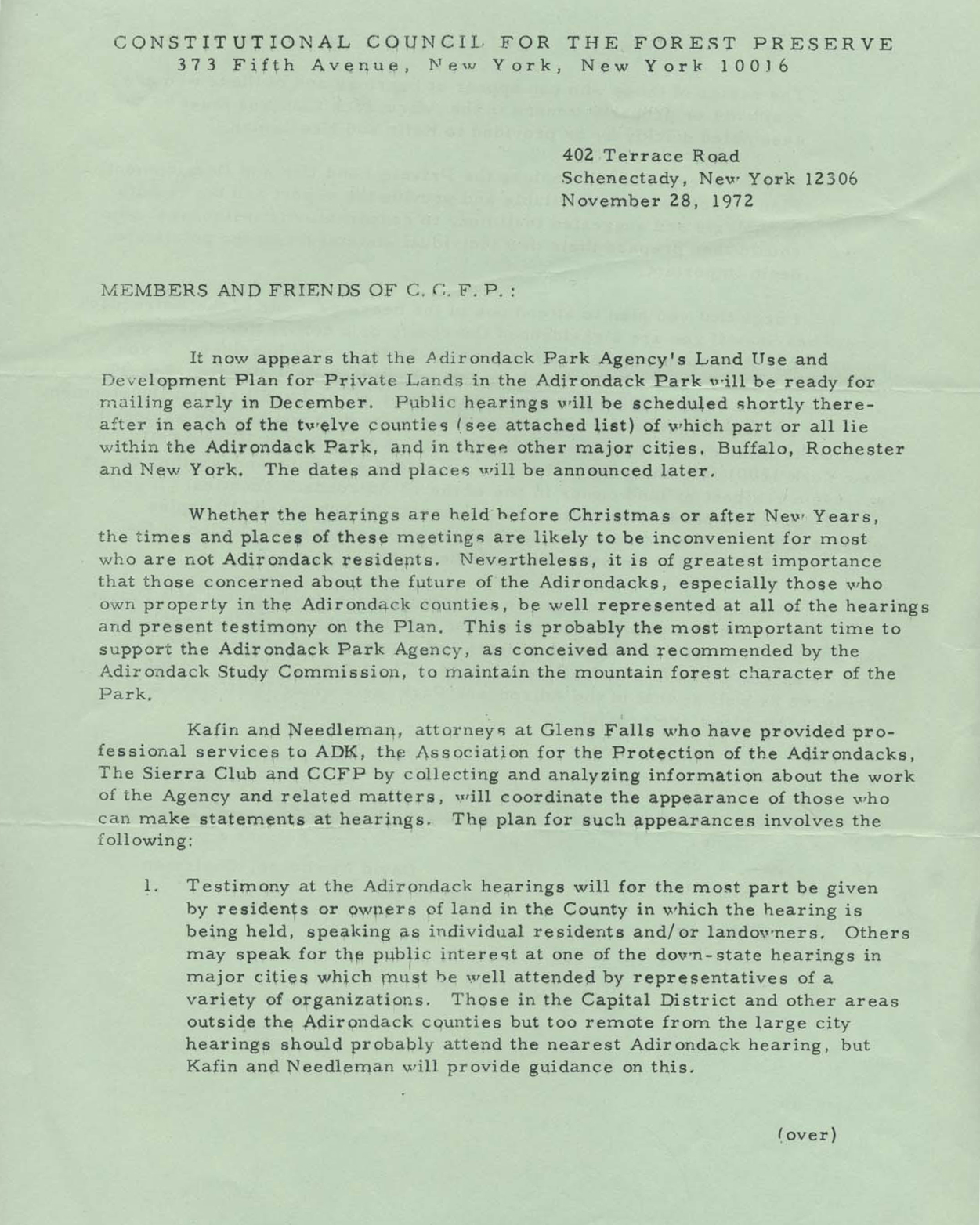
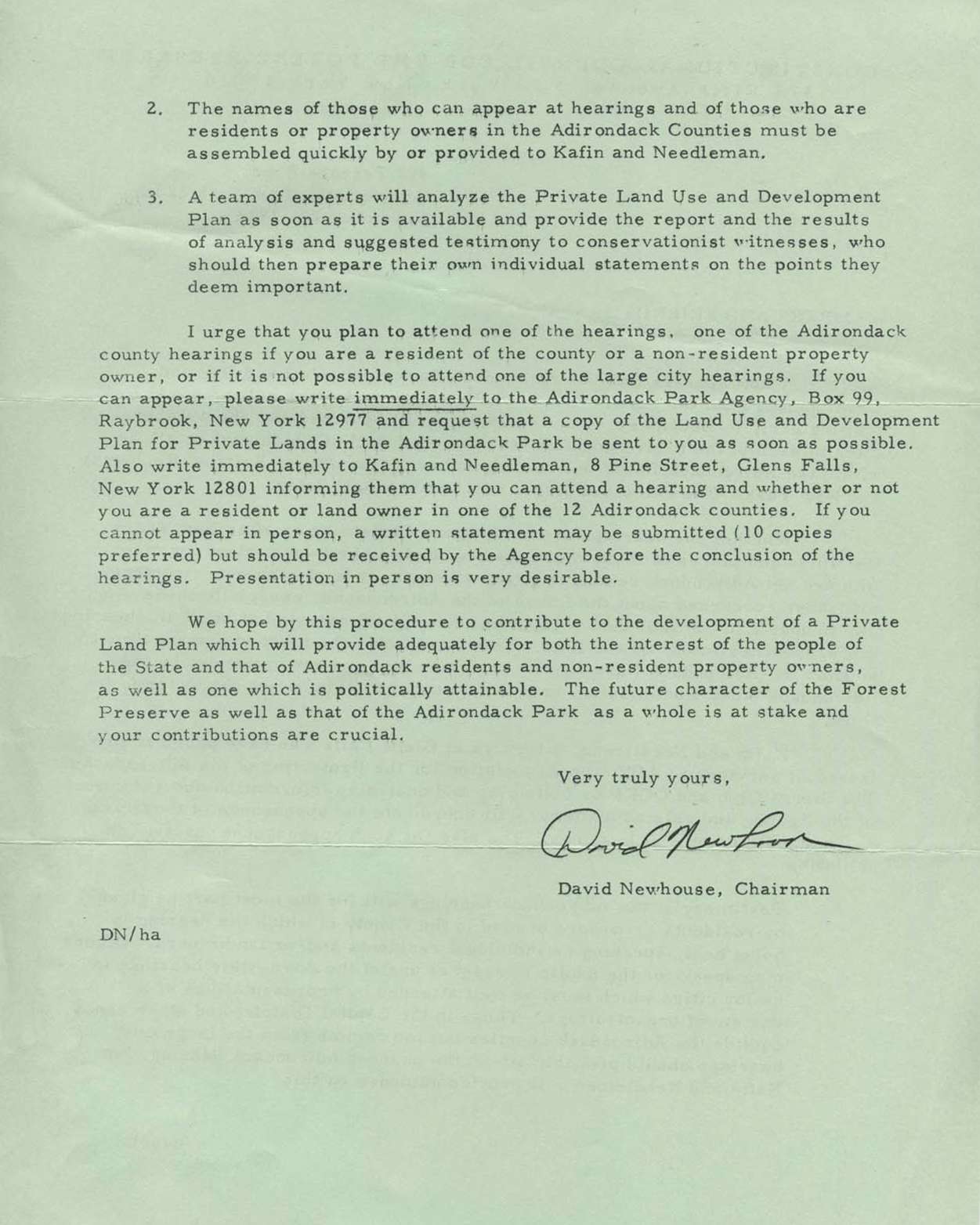
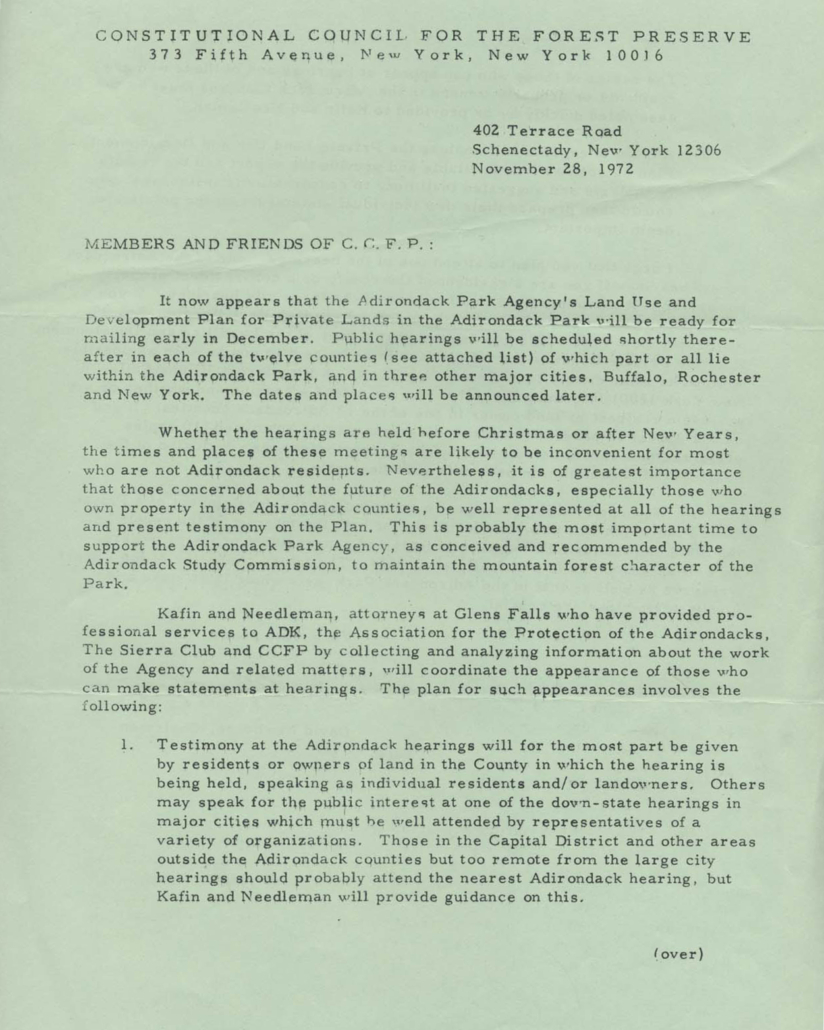
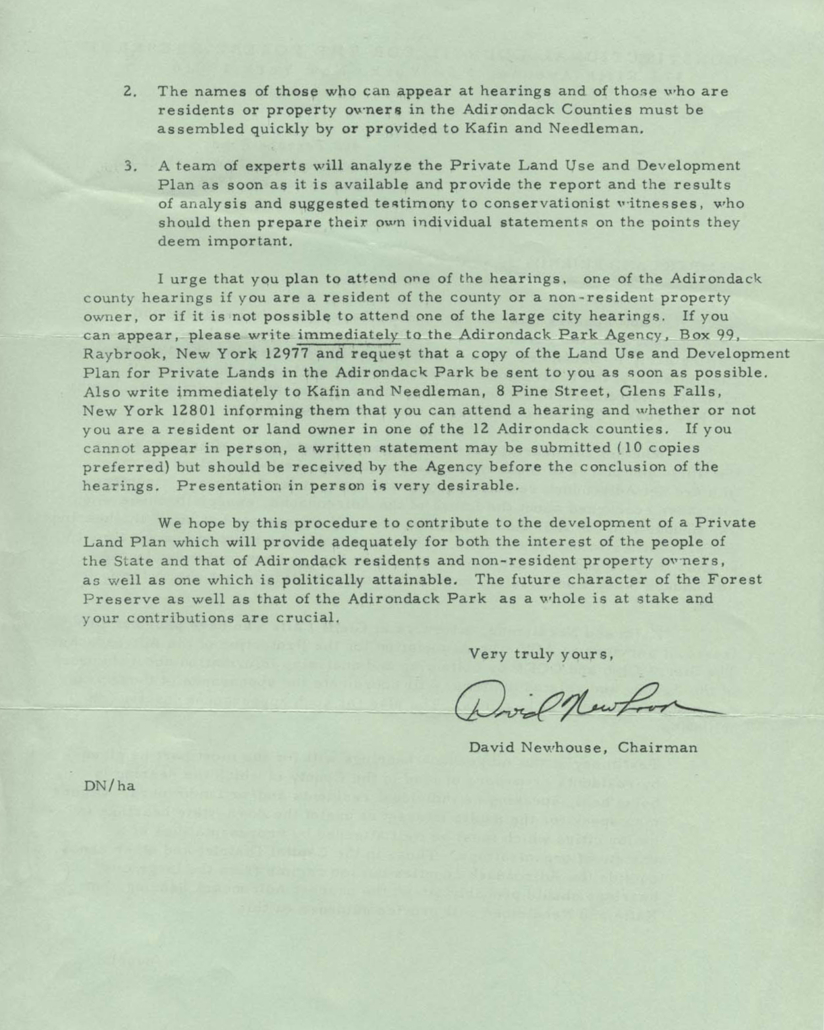
Letter to members (Constitutional Council for the Forest Preserve, 1972)
Object ID 13363
Conservation groups like the Constitutional Council for the Forest Preserve and the Sierra Club coordinated their appearances at these public hearings for maximum impact. This approach also made them targets for the resentment of those who distrusted the APA’s motives and worried about the land use plan’s impact on their livelihoods and property rights. They often saw representatives from environmental groups as outsiders—people who lived outside the Park and were funded by big-city interests. In this clip from the contentious Saranac Lake hearing, Ted Hullar is booed by attendees after announcing his affiliation with the Sierra Club. Listen as he tries to make the case that he, and all residents of New York State, has as much at stake in the future of the Adirondack Park as do the people who live within the Blue Line year-round. Hullar is repeatedly interrupted by commenters in the crowd throughout his speech.
Ted Hullar speaking at the Saranac Lake hearing.
Object ID 1976.219.0084
The “us vs. them” attitude was prevalent throughout 12 public hearings in the North Country. Many Adirondackers saw the APA as an outside organization influenced and operated by downstaters who had no real stake in the future of the Park’s towns and villages. The rules imposed by the APA felt like an incursion on the rights of the Adirondack people to govern their own communities and shape their own future. This clip is from the hearing in Indian Lake on January 17, 1973. Long Lake resident John Hosley appeared at the hearing in a Native American-style headdress, rhetorically comparing local landowners in the Adirondacks to Indigenous people who were unjustly displaced by government policies. His speech is followed by raucous applause.
John Hosley speaking at the Indian Lake hearing.
Object ID 1976.219.0065
John Collins recalls the Indian Lake hearing in a 2002 interview. (courtesy of Brad Edmondson)
Some saw this kind of grandstanding as a cynical attempt by developers to whip up public sentiment against the APA. In this interview with Brad Edmondson, John Collins, a fourth-generation Adirondacker from Blue Mountain Lake who in the late 1960s and ‘70s served on the Town of Indian Lake planning board, recalls the hearing. The proceedings were ultimately, in his words, “a show.”
Disgruntled residents often drew the most applause and attention at the public hearings, but locals who were willing to vocally support the APA proposals were also in attendance. Roderick O’Connor spoke up at the Saranac Lake hearing on January 18, delivering this eloquent speech on the importance of keeping the Adirondack wilderness wild despite the threat of profit-seeking development. APA staffer George Davis appreciated O’Connor’s defense of the APA’s plans, and later forwarded a transcript of O’Connor’s comments to his mentor and former boss, Harold Jerry. Jerry had worked for the Temporary Study Commission on the Future of the Adirondacks; this group’s recommendations led directly to the creation of the APA. George included this note: “Jerry, After taking hours of “guff” at 19 hearings it was rather nice to hear this young man’s testimony near the end of our last hearing. Thought you might enjoy—particularly if you envision yourself being called a communist, dictator, elitist, etc. for 2 solid weeks first.”
Rod O’Connor speaking in support of the APA at the Saranac Lake hearing.
Object ID 1976.219.0086
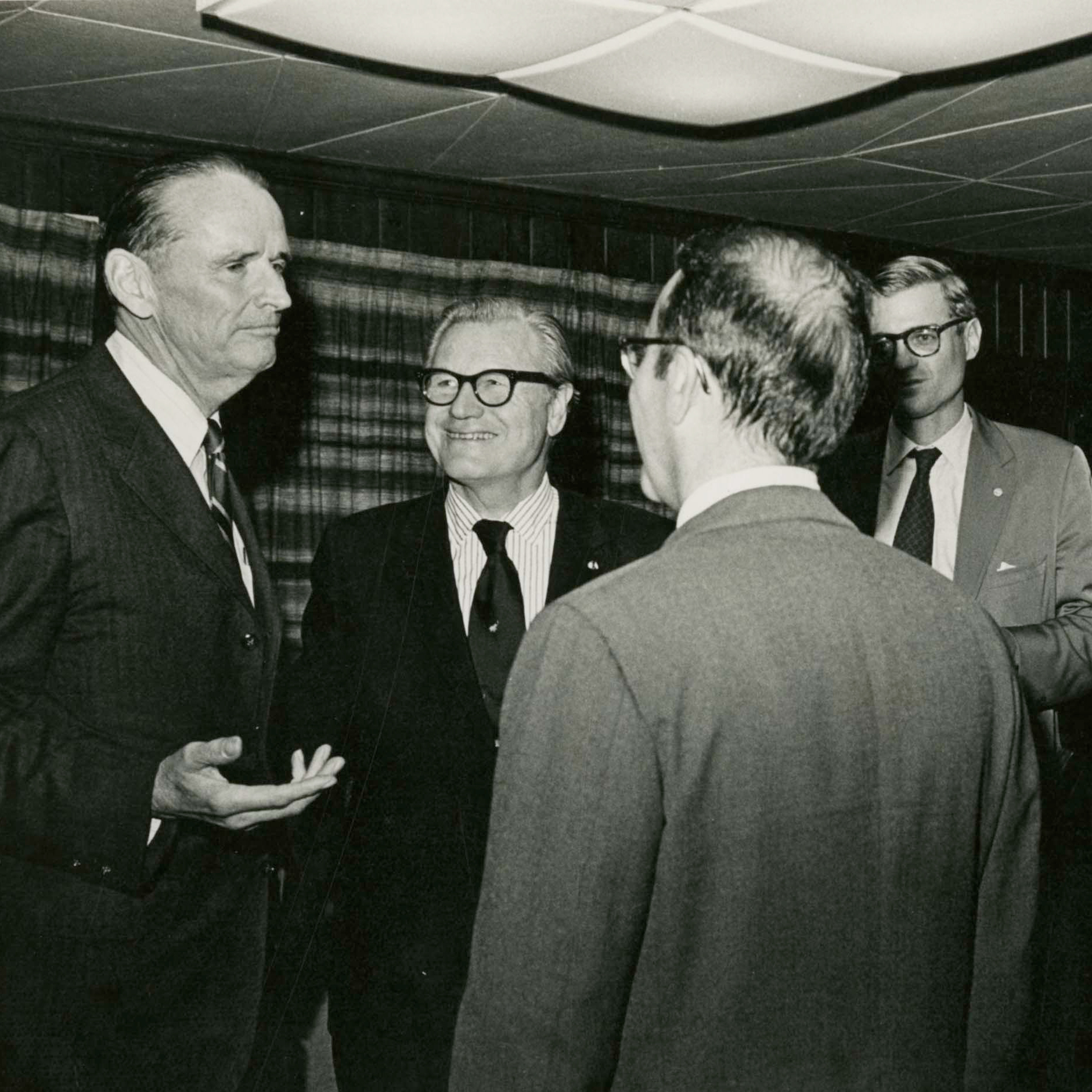
Richard Lawrence, far left, with Governor Nelson Rockefeller and APA board member Peter S. Paine Jr. at right. (Photographer unknown, c. 1973)
Collection ID MS 76-010
The fanfare and drama of the public hearings on the APA’s private land use plan came and went quickly. At the end of January 1973, legislators and APA officials were left to ponder the feedback they had received. A revised private land use plan was signed into law by Governor Rockefeller on May 22, 1973. Resistance to the APA didn’t end there, however. If anything, the battle was just ramping up. While the massive Horizon and Ton-Da-Lay vacation home projects were effectively vanquished, smaller-scale developers still hoped to see their projects built in the Park, and they felt they could succeed only by curbing the regulatory powers of the APA. Tony D’Elia and Frank Casier, who had plans to build and sell homes in Loon Lake and the Saranac Lake area, respectively, began organizing anti-APA sentiment in the Park. Through letters to the editor, distribution of anti-APA newspapers, and, eventually, staged public protests, they continuously applied pressure to the APA throughout the 1970s and beyond.
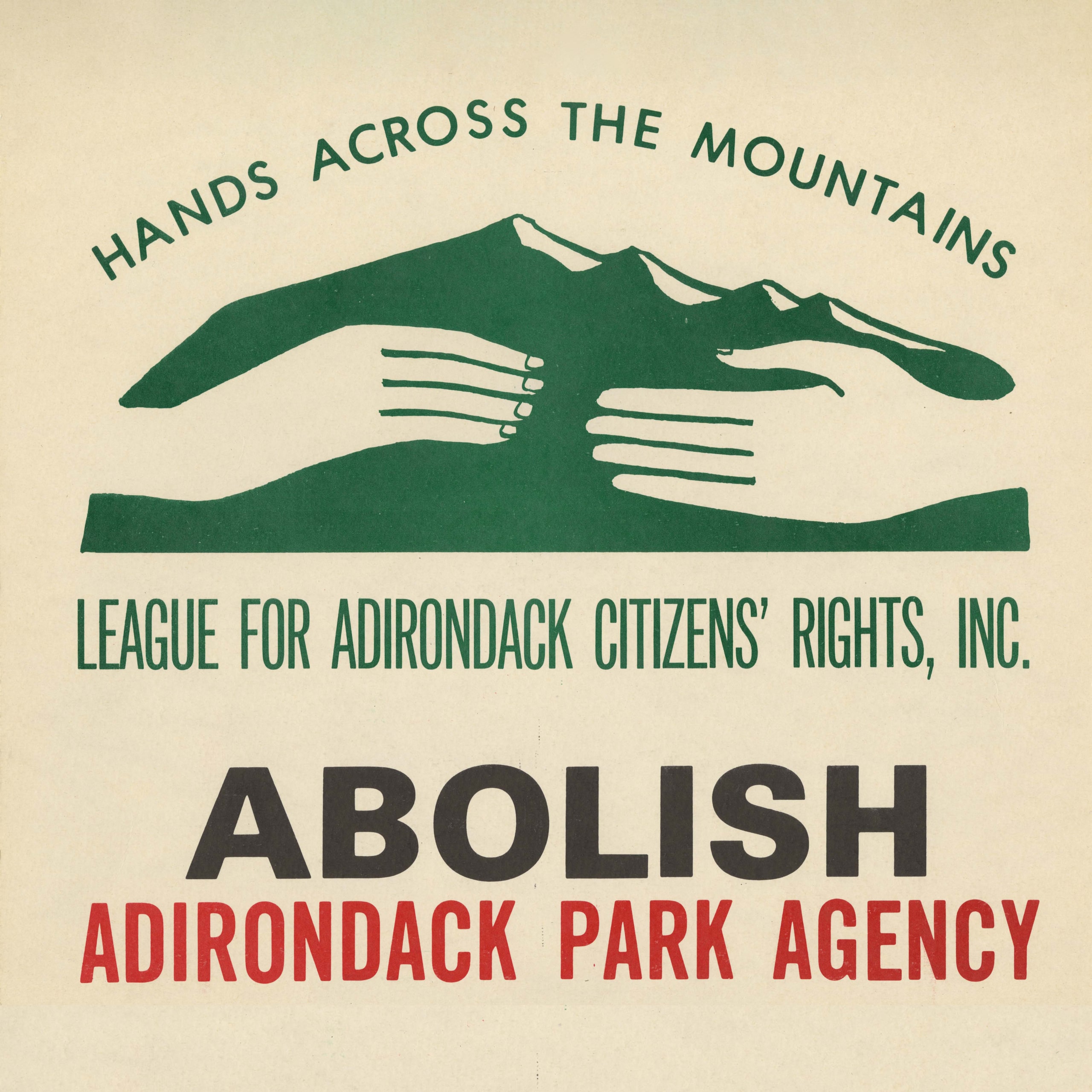
Hands Across the Mountains was an early effort at organizing opposition to the APA. Funded by wealthy Lake Placid resident Ruth Newberry, the group attracted both Tony D’Elia and Frank Casier, who eventually spun off their own anti-APA group called the Adirondack Defense League.
Frank Casier talking to Brad Edmondson, 2003 (courtesy of Brad Edmondson)
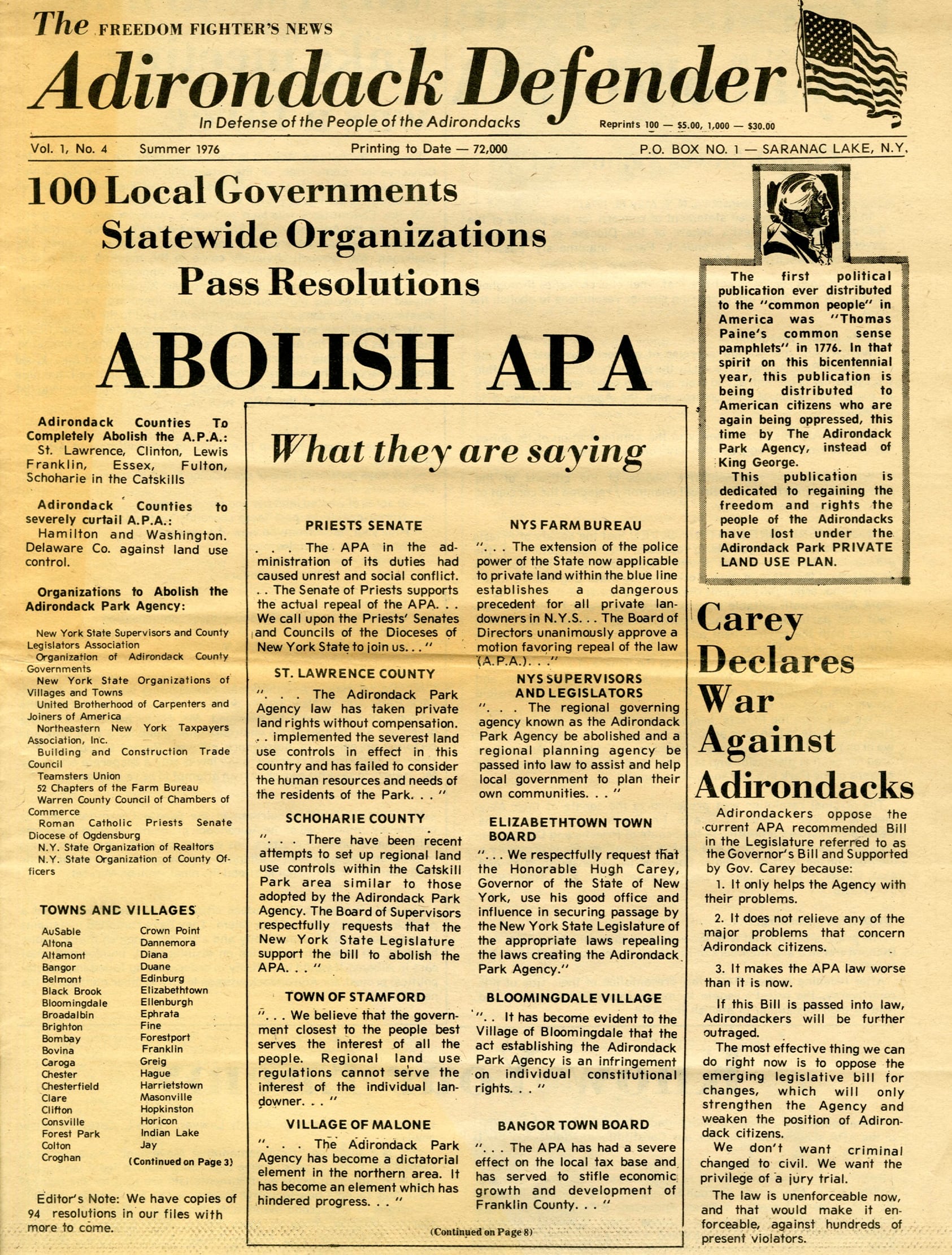
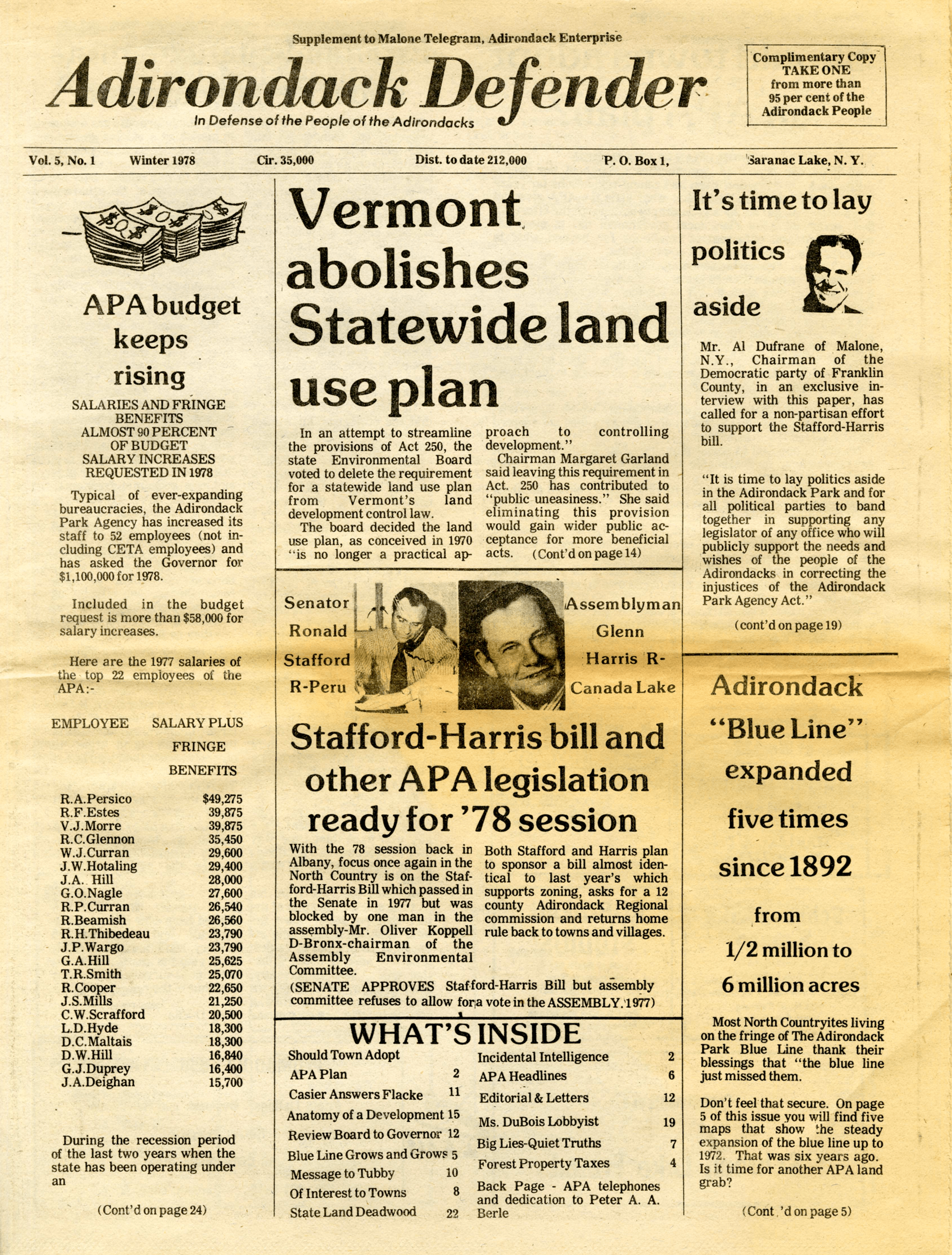
Click on the image to open PDF
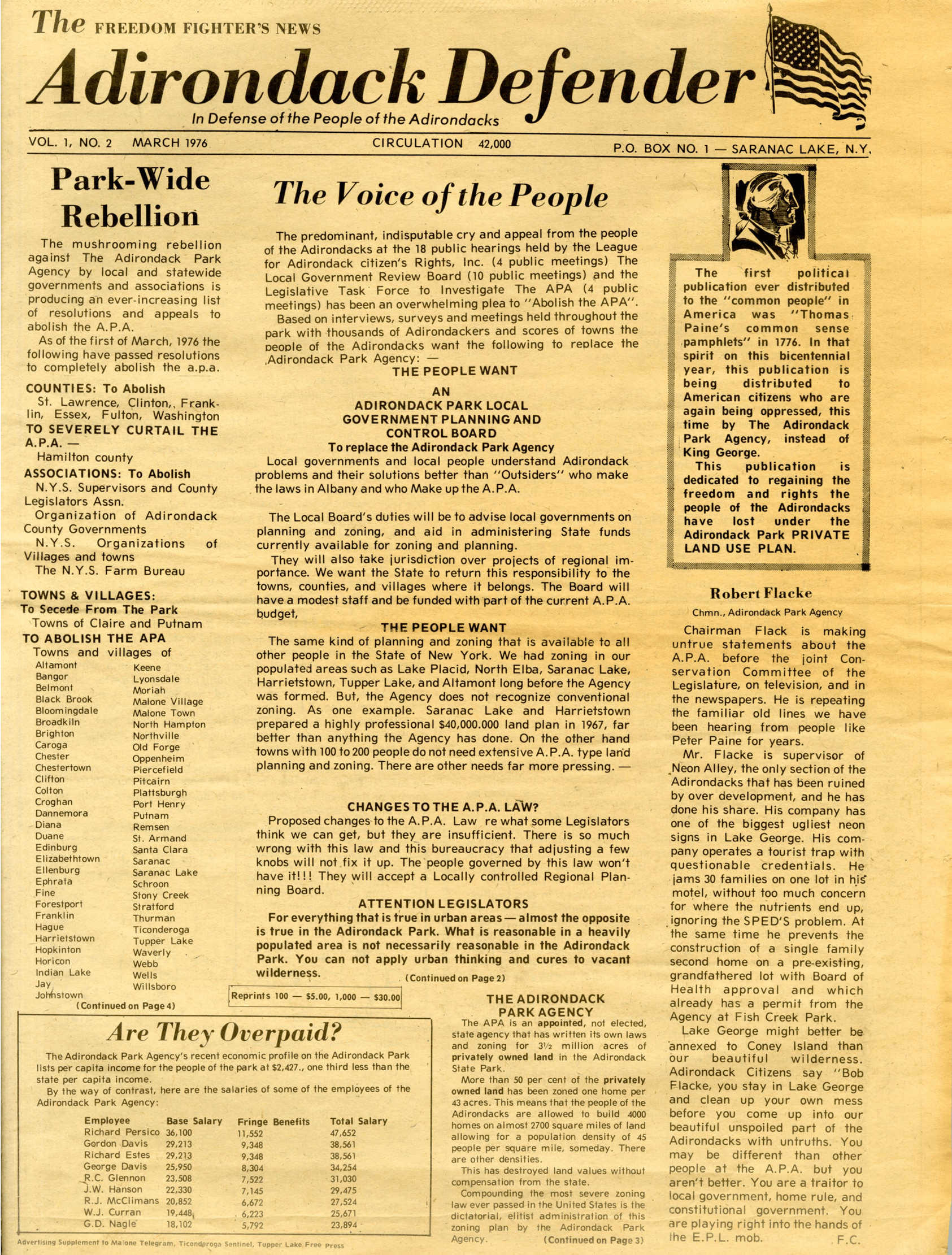
Issues of the Adirondack Defender newsletter (Bob Hunsicker and Anthony D’Elia, 1976-1978)
Object ID 2021.020.0001-0007
Feeling that letters to the editor weren’t effectively spreading their message, Casier and D’Elia started their own newspaper, the Adirondack Defender, and distributed it throughout the Park. Frank Casier recalls the birth and growth of the newspaper in this clip from his interview with Brad Edmondson.
Frank Casier talking to Brad Edmondson, 2003 (courtesy of Brad Edmondson)
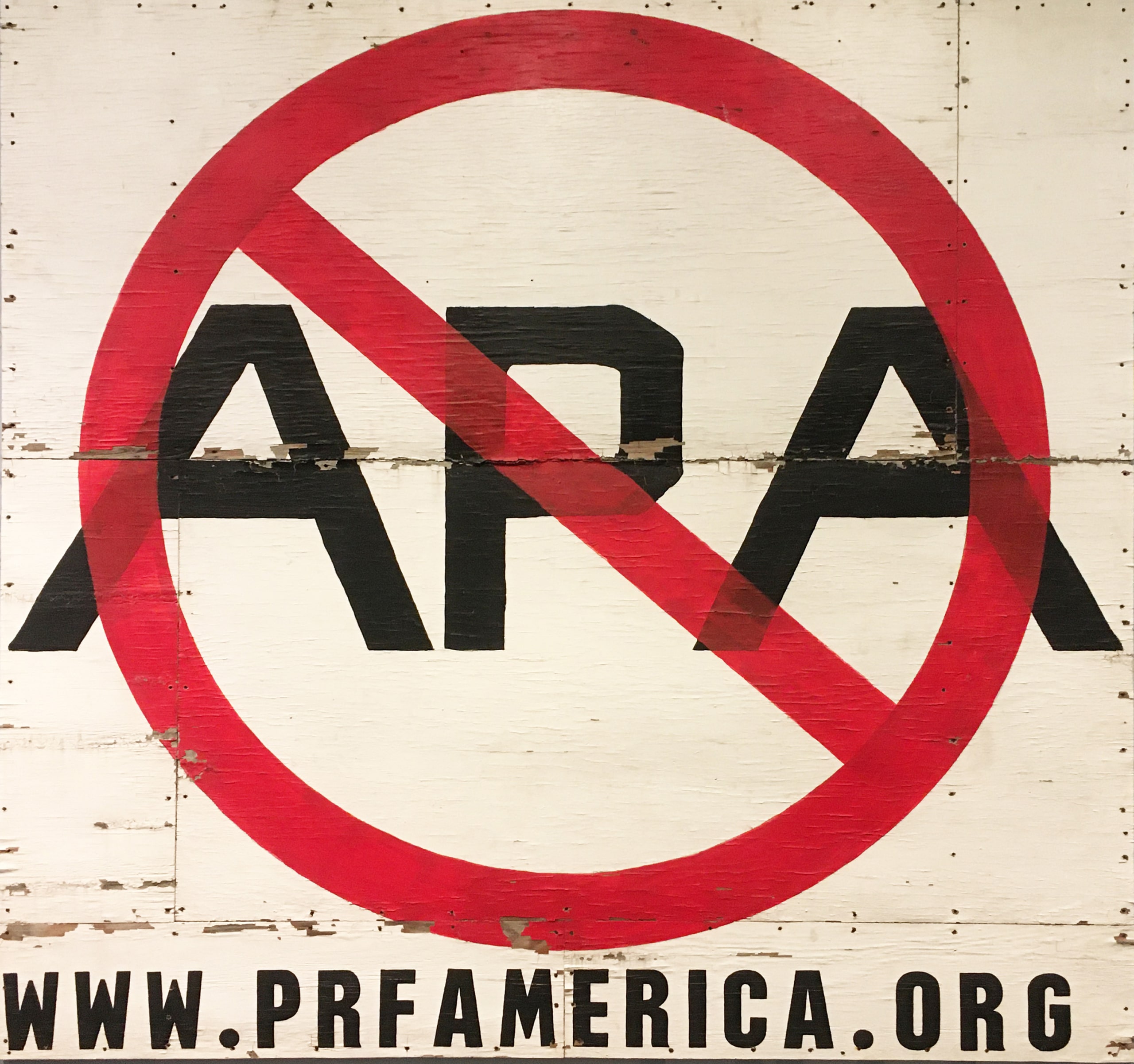
This large hand-painted sign, measuring roughly nine feet square, loomed over Main Street in Warrensburg for over a decade before it was donated to the museum in 2017. (Ted Galusha, 2005)
Object ID 2017.043.0001
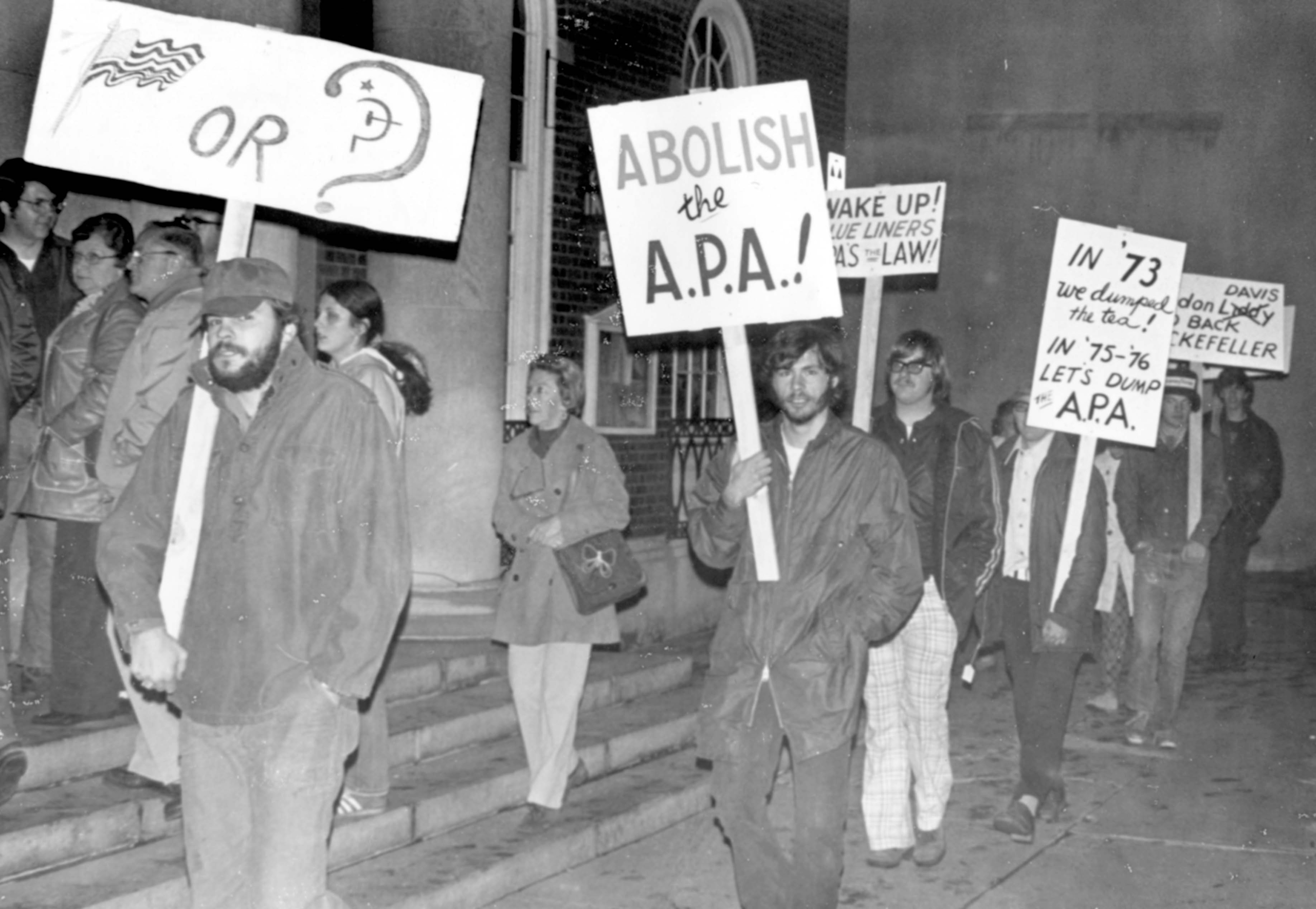
APA protest photographs (courtesy of the Adirondack Daily Enterprise, 1975-1976)
“Screw the APA” trucker-style hat (c. 1970s)
Object ID 2017.043.0008
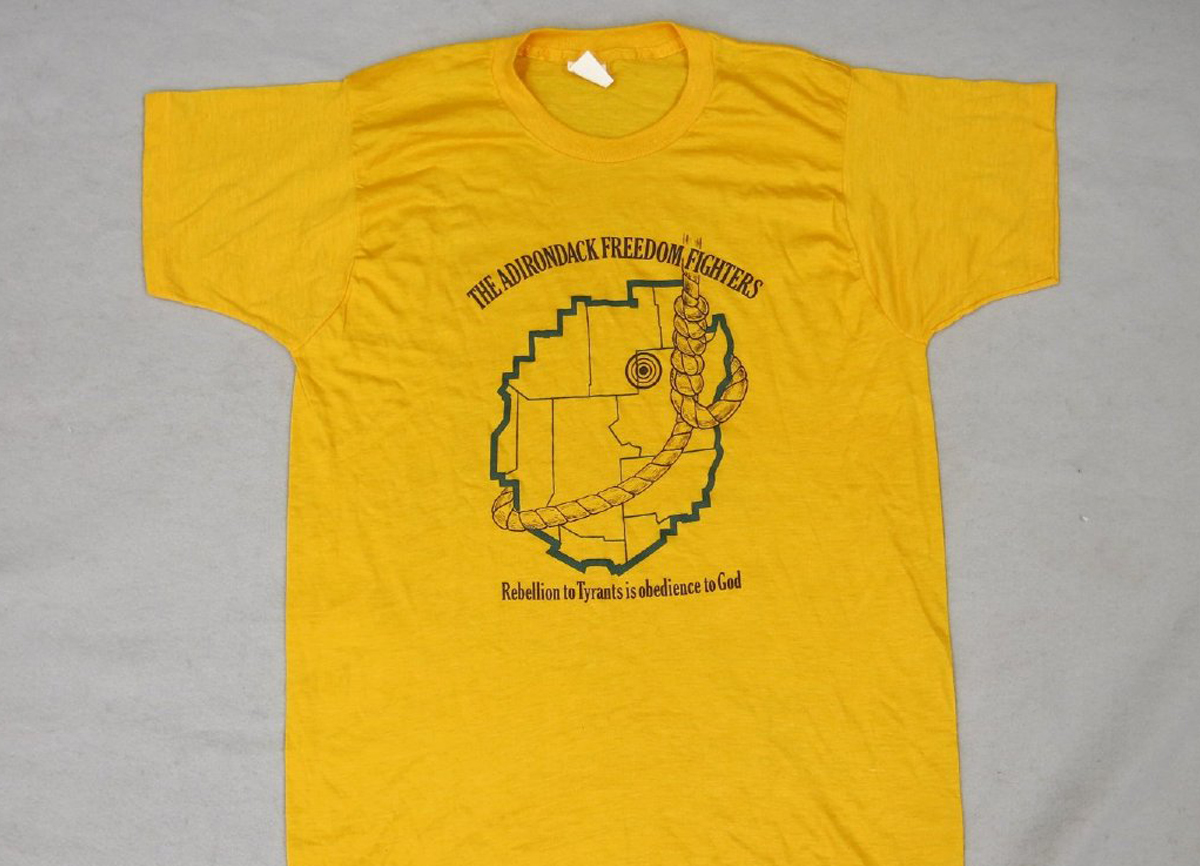
Adirondack Freedom Fighters t-shirt (c. 2000)
Object ID 2017.043.0007
Musician Matt McCabe, who was born in Elizabethtown and for many years ran a music shop in Saratoga Springs, penned and recorded this protest anthem in support of the anti-APA movement. It includes the refrain, “Somebody mentioned the APA, how much land did you steal today?”
“It’s Insane” (Matt McCabe, c. 1970s, courtesy of the family of Matt McCabe)
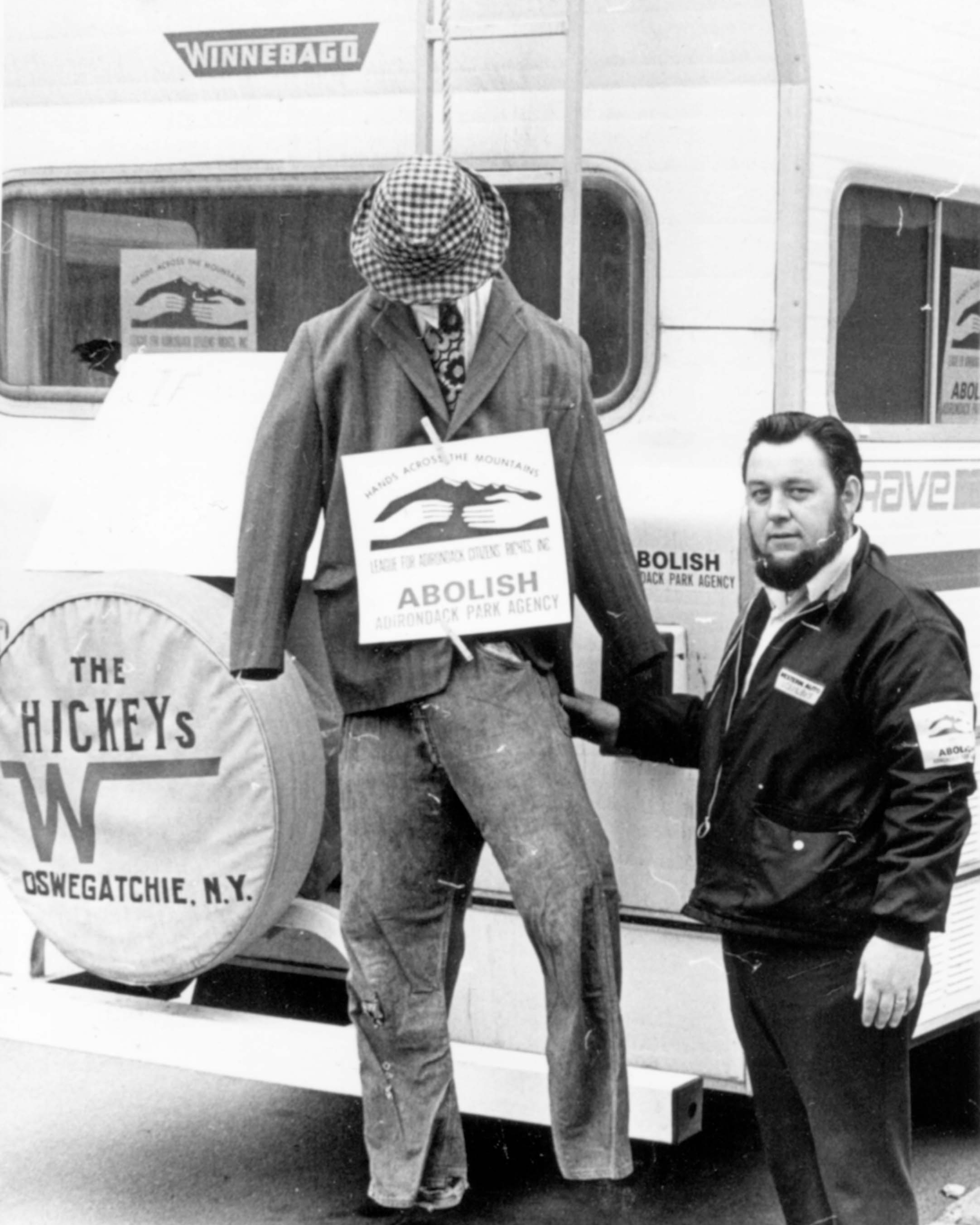
Employing tactics similar to those of the environmental advocacy organizations like Citizens to Save the Adirondack Park, anti-APA groups also argued their case graphically using fliers, bumper stickers, t-shirts, hats, and other giveaways. This gave them a visible presence throughout the park, and allowed supporters to present themselves as a unified front at protests. Anti-APA signage was both eye-catching and, at times, shocking. Protestors intended to provoke strong feelings.
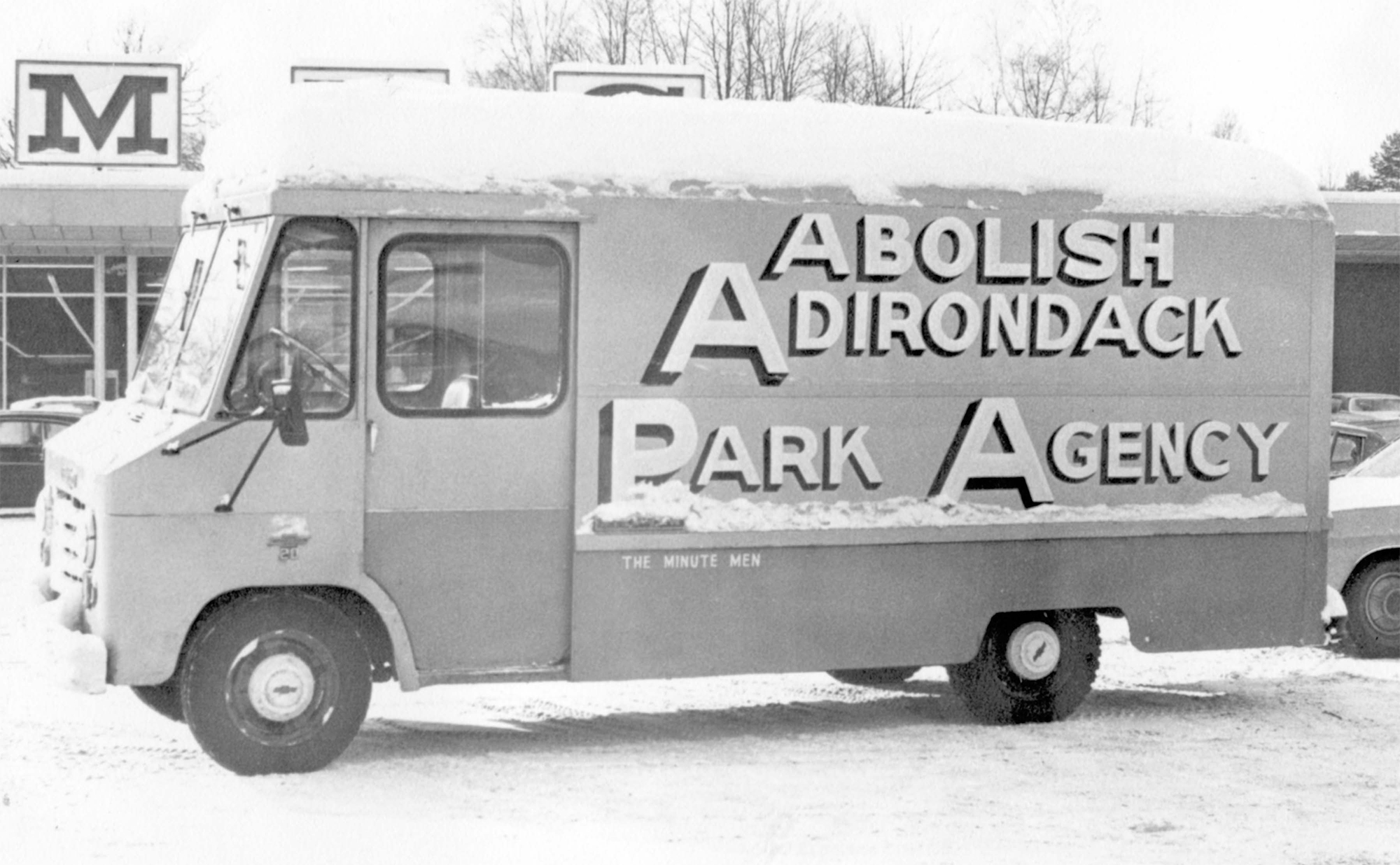
Frank Casier’s “war wagon” (courtesy of the Adirondack Daily Enterprise, 1976)
A common presence at APA protests was the “war wagon”, a furniture van festooned with the slogan “Abolish the APA” across its side. Frank Casier describes the genesis of the war wagon and his group’s protest efforts in this clip.
Frank Casier talking to Brad Edmondson, 2003 (courtesy of Brad Edmondson)
By 1975, “Abolish the APA” protestors had become an irritant to state legislators, perhaps most egregiously when they dumped a load of manure on the steps of the APA headquarters in Ray Brook. Bob Flacke remembers a Democratic Senate leader telling him, “I’ll give you a year. If you don’t get it straightened out, I’m going to introduce my own bill and get rid of the goddamed thing. I’m sick and tired of these people marching into my office.”
LEFT: Robert Flacke, c. 1979 (photograph from the New York Department of Conservation)
RIGHT: Dick Persico, c. 1975 (courtesy of Barb Persico)
Flacke became Chair of the APA board in 1975. He was well equipped to mend fences. A powerful man who had been drafted to play guard for the Detroit Lions, he was Supervisor of the Town of Lake George and a student of management science. As Supervisor, he had used a “sociogram” to boost support for the town’s first zoning plan, succeeding where others had failed.
Flacke worked with Dick Persico, Executive Director of the APA, to change the Agency’s direction. He fired George Davis and several others who he described as “environmental visionaries,” and he claims to have worn out two cars driving across the park to meet with fellow town supervisors. Flacke’s pragmatic philosophy angered environmentalists, who formed the Adirondack Council in 1975 as a watchdog for the APA. But the “abolish” movement also faded under his watch. By the time he left the APA to become Commissioner of the Department of Environmental Conservation in 1979, both sides had grudgingly accepted that the Agency was here to stay.
In a 2004 interview with Brad Edmondson, Frank Casier looks back on the anti-APA movement he led, suggesting that his group should have employed more violent tactics.
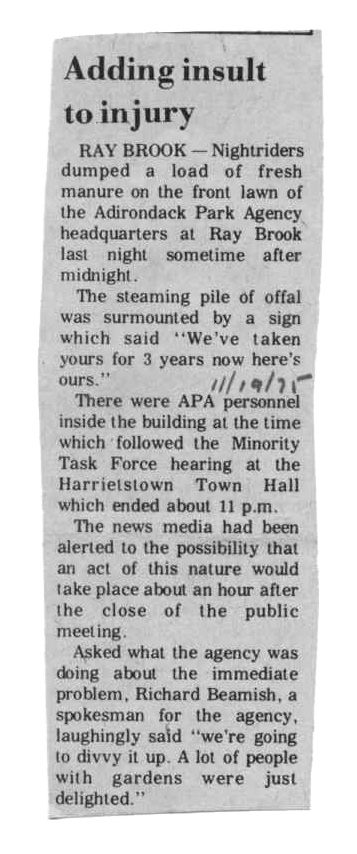
The November 19, 1975 issue of the Adirondack Daily Enterprise reported on the manure dump at APA headquarters.
APA@50 is a yearlong, collaborative initiative by the Adirondack Experience to commemorate the 50th anniversary of the Adirondack Park Agency, which for half a century has shaped the present and future of the Adirondack Park, conserving land for wildlife as well as for human recreation and use. Working closely with author Brad Edmondson, whose book on the turbulent early years of the APA, A Wild Idea, was published in May 2021, the museum has explored the genesis and ongoing impact of the agency in a variety of forums over the course of the year.
Page notes for A Wild Idea can be found here.

Curated and hosted by Dr. Philip Terrie, the symposium included three panel discussions featuring a wide range of scholars and individuals involved with the APA and explore the agency’s successes; how regulation has evolved over the past half-century and where it is headed; and how practice in the United States compares with policies overseas. The entire symposium was recorded and can be streamed from our website.
First aired on October 25, 2021, A Wild Idea is an original documentary about the birth of the APA and its effect on the Adirondack Park. The film draws from Brad Edmondson’s original research, including interviews with several key players in the formation of, and resistance to, the APA. The film includes excerpts from Edmondson’s audio and video interviews as well as TV news clips and other historical content to bring the story of the agency further to life.
 English English
  French
 Spanish